Vertical vs. Horizontal Vinyl Siding: Which Option Is Best for Your Home?
Posted by Steven on June 29, 2026
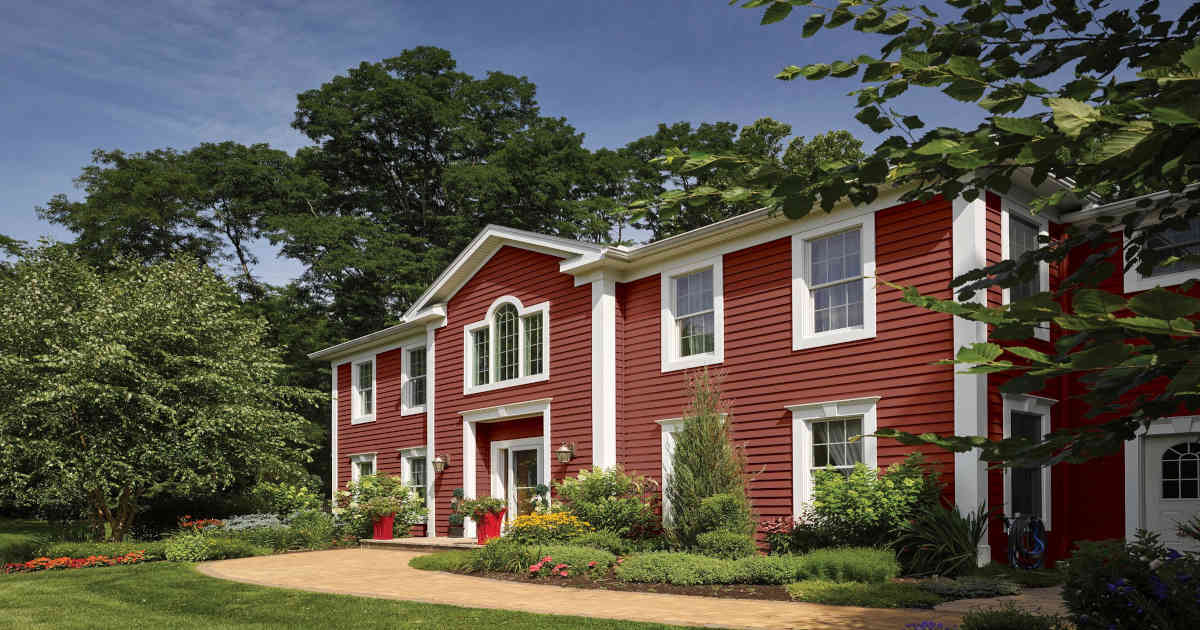
Choosing between vertical and horizontal vinyl siding depends on your home's style, budget, and maintenance preferences. Vertical siding offers a distinctive appearance, improved water runoff, and easier cleaning, while horizontal siding remains the most popular choice due to its affordability and timeless curb appeal.
Understanding the advantages and drawbacks of each option can help homeowners select the best vinyl siding solution for long-lasting protection, energy efficiency, and exterior beauty.
Why Vinyl Siding Is a Popular Choice for Home Exteriors
Siding is one of the most important components of your home's exterior because it serves as the first line of defense against rain, snow, wind, and UV exposure. Quality siding helps prevent moisture intrusion, protects against structural damage, and contributes to improved energy efficiency.
Among the many siding materials available, vinyl siding continues to be a popular choice for homeowners because it is durable, cost-effective, and relatively low-maintenance. It is available in a wide range of colors, textures, and profiles, making it easy to achieve the look you want while protecting your home for years to come.
If you have decided to install vinyl siding, one of the most important decisions you will make is whether to choose vertical vinyl siding or horizontal vinyl siding. Both options offer unique advantages and potential drawbacks.
What Is Vertical Vinyl Siding?
Vertical vinyl siding has traditionally been associated with barns, agricultural buildings, and commercial properties. However, it has become increasingly popular in residential homes due to its distinctive appearance and modern farmhouse appeal.
The most common style of vertical vinyl siding is board-and-batten siding. This design features wide vertical panels with narrow battens covering the seams, creating visual depth and texture. The panels are installed perpendicular to the home's foundation, drawing the eye upward and making the structure appear taller.
Benefits of Vertical Vinyl Siding
Unique Curb Appeal
One of the biggest advantages of vertical vinyl siding is its distinctive appearance. Because it is less common than horizontal siding, it can help your home stand out within the neighborhood while creating a modern, customized look.
Easier Maintenance and Cleaning
Vertical panels naturally encourage water, dirt, and debris to flo69+w downward. This can reduce the buildup of grime and make routine cleaning easier compared to horizontal siding profiles.
Improved Water Drainage
The vertical orientation helps water shed more efficiently, reducing the likelihood of moisture collecting along panel seams and contributing to long-term durability.
Drawbacks of Vertical Vinyl Siding
Higher Installation Costs
Installing vertical siding often requires additional preparation, including furring strips and specialized installation techniques. These extra steps can increase labor costs compared to horizontal siding.
Limited Buyer Preferences
While many homeowners appreciate the appearance of board-and-batten siding, some buyers prefer more traditional exterior styles. Depending on your local housing market, this could affect resale appeal.
Fewer Contractor Specialists
Although vertical siding is becoming more common, some contractors have greater experience installing horizontal siding systems, which may influence project pricing and availability.
What Is Horizontal Vinyl Siding?
Horizontal vinyl siding, often called lap siding, is the most common siding style found on residential homes. It features long horizontal panels installed parallel to the home's foundation.
This siding style is available in several profiles, including traditional lap siding, Dutch lap, and clapboard-inspired designs. Its versatility allows it to complement a wide variety of architectural styles, from colonial and craftsman homes to contemporary residences.
Benefits of Horizontal Vinyl Siding
Timeless Appearance
Horizontal siding has remained popular for decades because it offers a classic, familiar look that complements most home designs. Its broad appeal makes it a reliable choice for homeowners seeking lasting curb appeal.
Lower Installation Costs
Most siding contractors are highly familiar with horizontal vinyl siding systems. Because installation is generally simpler and requires fewer preparation steps, labor costs are often lower.
Strong Resale Appeal
Since horizontal siding is the standard choice for many homes, prospective buyers tend to view it as a safe and attractive option. This widespread acceptance can support future resale value.
Drawbacks of Horizontal Vinyl Siding
Increased Dirt Accumulation
Horizontal panels create ledges where dirt, pollen, and debris can collect. This often requires more frequent cleaning to maintain a fresh appearance.
Potential Moisture Concerns
Although modern vinyl siding is designed to resist moisture damage, improperly maintained horizontal siding may allow water to collect between overlapping panels. Over time, trapped moisture can contribute to underlying issues if not addressed.
More Frequent Maintenance
Because debris can accumulate along panel edges, homeowners may need to inspect and clean horizontal siding more regularly to maintain its appearance and performance.
For maintenance tips, explore our guide on how to clean vinyl siding.
Can You Combine Vertical and Horizontal Vinyl Siding?
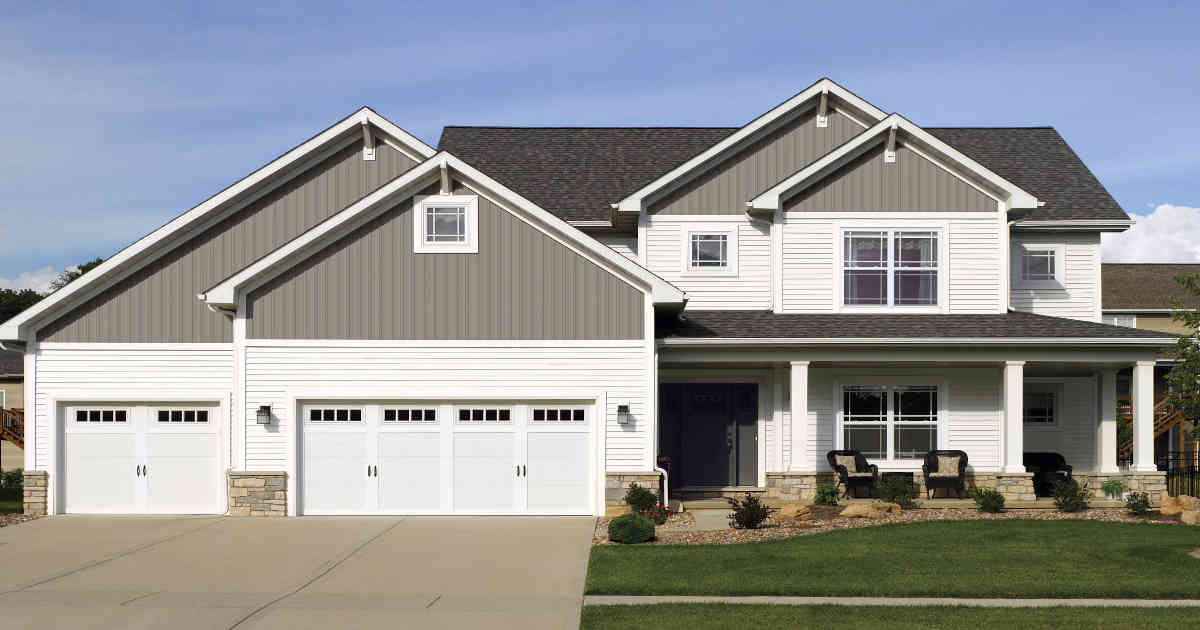
Absolutely. Many homeowners choose to combine both vertical and horizontal vinyl siding to create a more customized exterior design.
This approach is commonly used to highlight architectural features such as gables, dormers, entryways, and accent walls. Horizontal siding can be used on the main body of the home, while vertical board-and-batten siding adds visual contrast in select areas.
Combining both styles creates depth, texture, and visual interest while maintaining a cohesive appearance.
Factors to Consider When Choosing Vinyl Siding
Before selecting a siding profile, consider the following factors:
- Architectural style of your home
- Budget and installation costs
- Maintenance preferences
- Long-term durability
- Local climate conditions
- Future resale considerations
- Desired curb appeal
Evaluating these elements can help you choose the siding style that best aligns with your home's needs and your personal preferences.
Vertical vs. Horizontal Vinyl Siding: Which Is Right for You?
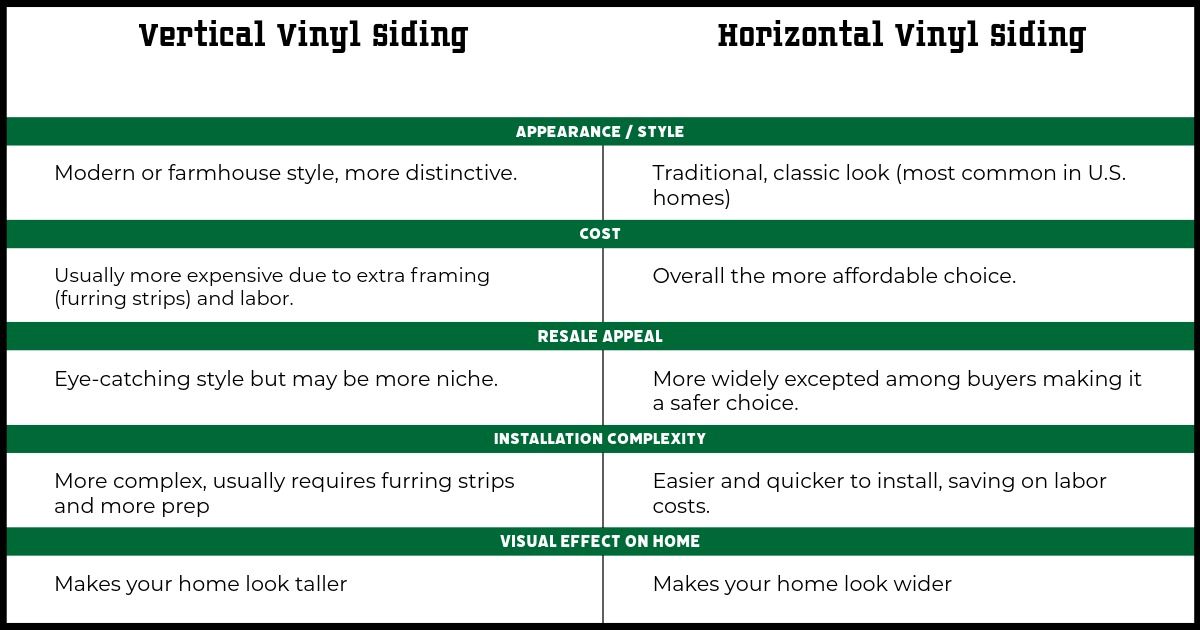
The biggest factor in your decision should be personal preference. Horizontal siding is more affordable and easier to install, but it can be more difficult to clean. It is also more common, which may make your home easier to sell in the future. Vertical siding offers a unique look and is easier to clean, but it is more expensive, harder to install, and may make resale more challenging depending on your local market.
FAQs
Is vertical vinyl siding more expensive than horizontal siding?
Yes, vertical vinyl siding typically costs more because installation often requires additional preparation and labor.
Which type of vinyl siding is easier to clean?
Vertical vinyl siding is generally easier to clean because dirt and water naturally flow downward along the panels.
Can I use vertical and horizontal siding together?
Yes, combining both siding styles is a popular way to create visual contrast and highlight architectural features.
Does horizontal vinyl siding help with resale value?
Horizontal siding has broad market appeal and is often preferred by buyers due to its traditional appearance.
How long does vinyl siding last?
Properly installed and maintained vinyl siding can last several decades while maintaining its appearance and performance.