Why Water Damage Often Starts with Your Gutters
Posted by Steven Bieber on July 20, 2026
Quick Summary
Water damage rarely starts inside your home; it usually begins at the gutters. Clogs, poor pitch, missing drip edges, and short downspouts all send water where it shouldn't go: against your foundation, behind your siding, or under your shingles. This guide breaks down the most common gutter-related causes of water damage and the maintenance routine that keeps your home dry year-round.
Your gutters are one of the most important components of your home's exterior. A properly functioning gutter system serves as your home's first line of defense against rainwater runoff by directing water safely away from the structure. When gutters fail to perform properly, water can collect around your foundation, damage exterior materials, and eventually lead to costly repairs inside and outside the home. Because they play such a critical role in protecting your property, gutters are often where water damage begins. This guide explains the most common ways gutter problems can lead to water damage and how to prevent each one.
Clogged Gutters: The Leading Cause of Home Water Damage
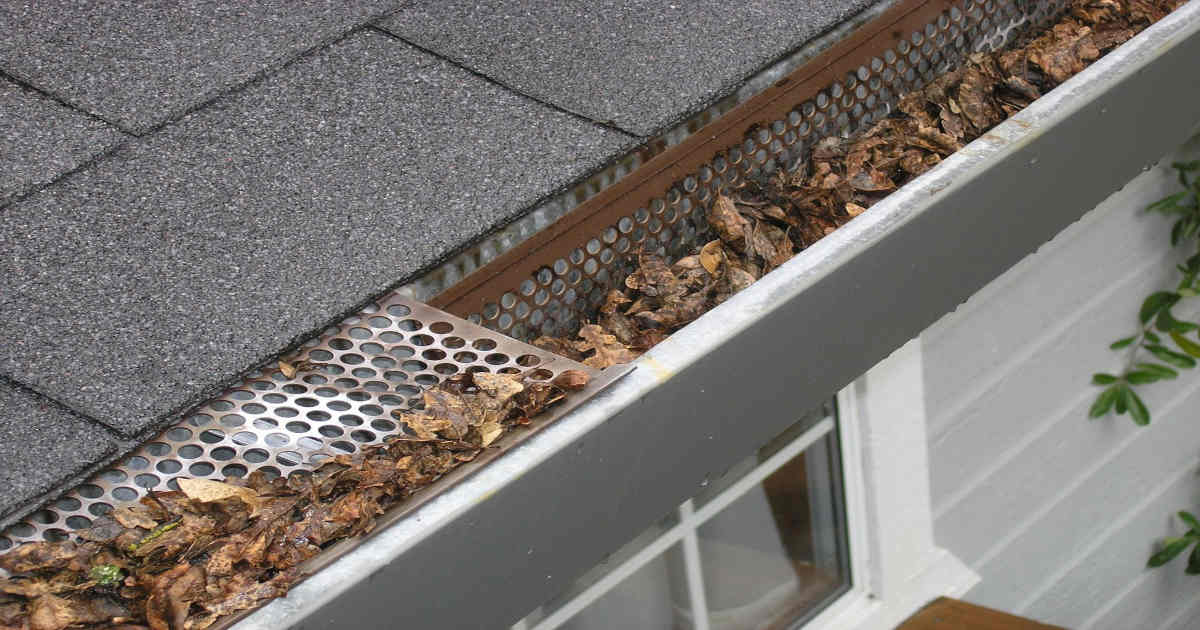
Gutters can become clogged with leaves, twigs, dirt, and roof granules over time. This debris blocks water flow and traps water inside the gutter trough. When water cannot drain properly, it flows over the sides of the gutters. Overflowing water can erode the soil around the foundation and damage landscaping. In some cases, water may flow backward beneath the roofline, soaking fascia boards, siding, and even the attic structure. Routine gutter cleaning remains the single most effective way to prevent this chain of damage.
Improper Gutter Pitch and Sagging Sections
Gutters require a precise slope to direct water efficiently toward the downspouts. Over time, gutter hardware can loosen, deteriorate, or pull away from the fascia due to the weight of debris and standing water. This creates low spots where water pools instead of draining properly. The stagnant water adds additional weight, bends the gutter system, and allows water to drip directly against exterior walls, increasing the risk of structural damage. A professional can re-pitch and re-secure gutters before sagging progresses into a full replacement.
Drip Edge Problems and Behind-Gutter Water Leaks
As mentioned earlier, water can backflow and spill behind the gutter system. This often happens when shingles are cut too short or when the metal drip edge is missing, damaged, or improperly installed. Without proper protection, water runs down the fascia board and becomes trapped behind the gutters. Over time, the moisture can rot the structural wood that supports the gutter system and eventually lead to leaks inside the home, including ceiling and wall damage.
How Landscaping Can Make Gutter-Related Water Damage Worse
Gutters don't operate in isolation; the grading and landscaping around your home play a role too. If the ground slopes toward the house rather than away from it, even properly functioning gutters and downspouts may not be enough to keep water away from the foundation.
Mulch beds, flower borders, and dense shrubbery placed directly against the foundation can also trap moisture that gutters have successfully diverted, undermining their protective effect.
Pairing good gutter maintenance with proper grading and thoughtful landscaping gives your foundation the best possible defense against water intrusion.
Poor Downspout Drainage Around the Foundation
If a downspout is too short or poorly positioned, it may discharge rainwater only a short distance from the home. This can oversaturate the soil surrounding the foundation. Excess moisture creates hydrostatic pressure, which can force water through foundation cracks and eventually lead to basement or crawl space flooding. Proper downspout placement is essential for directing water safely away from the home. As a general rule, downspouts should extend at least three to six feet from the foundation, longer in areas with poor soil drainage.
Ice Dams and Winter Gutter Damage in Cold Climates
Clogged gutters can become an even bigger problem during the winter months and in colder climates. When temperatures drop below freezing, trapped water and snowmelt can refreeze along the roof's edge, creating ice dams. These ridges of ice block proper drainage and force water back beneath the shingles. Ice dams and heavy icicle buildup can lead to severe roof decking rot, damaged gutters, and interior ceiling stains.
Materials That Affect How Quickly Water Damage Spreads
Not every home is equally vulnerable once gutters start to fail. Wood-framed fascia and soffits absorb moisture and rot faster than fiber-cement alternatives. Homes with older, single-pane basement windows or window wells are more prone to seepage than those with modern, well-sealed installations.
Even the type of siding matters: wood and engineered wood siding are more susceptible to moisture damage than vinyl or fiber-cement products. Knowing which materials are used on your home can help you gauge how quickly gutter-related water damage might progress if left unaddressed.
Warning Signs Your Gutters Are Already Causing Water Damage
Some signs of gutter-related water damage are easy to spot, while others develop out of view. Watch for peeling exterior paint near the roofline, water stains on interior ceilings or walls, a musty basement smell, soft or spongy soil near the foundation, and visible sagging or separation in the gutter system itself. Any of these signs is a good reason to schedule a full roof and gutter inspection before the damage spreads further into the home.
How Seasonal Weather Impacts Gutter-Related Water Damage
Water damage risk shifts throughout the year. Spring rains test gutters that may still hold leftover winter debris, while summer storms can overwhelm gutters clogged with pollen and seed pods. Fall brings the heaviest leaf drop of the year, and without cleaning, that debris sets the stage for winter ice dams.
Understanding how each season adds a different kind of stress to your gutter system makes it easier to schedule maintenance before problems start, rather than reacting after water damage has already occurred.
Gutter Maintenance Tips to Prevent Water Damage
The best way to reduce the risk of water damage is through regular gutter maintenance. Gutters should be cleaned at least twice a year, typically in the spring and fall. Downspouts should direct water at least 3 to 6 feet away from your home's foundation. Regularly inspect your gutters for clogs, sagging sections, leaks, and drainage issues to ensure they function properly. Installing gutter guards can also help reduce debris buildup and minimize the need for frequent cleaning.
The Importance of Maintaining Your Gutters
If you notice signs of water damage around your home, your gutters may be the source of the problem. Clogged gutters can cause overflowing water, ice dams, wood rot, and soil erosion. Poor downspout drainage can contribute to foundation issues and basement flooding, while sagging or damaged gutters can allow standing water to damage the exterior of your home. Routine gutter maintenance is one of the most effective ways to prevent costly water damage repairs and protect your home year-round.