7 Common Gutter Problems Homeowners Should Never Ignore
Posted by Steven Bieber on August 17, 2026
Quick Summary
Sagging sections, corrosion, overflow, leaks, ice dams, exterior stains, and damaged downspouts can all signal that a gutter system needs attention. This guide explains what each warning sign means, when a focused repair may be enough, and when broader replacement or drainage improvements deserve consideration.
Common Gutter Problems Homeowners Should Never Ignore
Common gutter problems can weaken one of your home’s main defenses against water damage: the system that directs rainwater away from the foundation. Without a properly functioning gutter system, water can erode the soil around your home, damage landscaping, and even lead to basement flooding and foundation issues.
Over time, gutters naturally wear out and develop problems that many homeowners overlook. Ignoring these warning signs can result in costly repairs and extensive property damage. Here are the most common gutter problems homeowners should never ignore.
Inspecting the system after heavy rain, strong winds, or winter weather can make small defects easier to spot before they spread to the roof edge, siding, fascia, or foundation.
1. Sagging or Pulling Gutters
Sagging gutters are often a sign that the system is no longer properly secured to the home. When gutters pull away from the fascia or begin to droop, the cause is typically poor installation, loose hangers, or aging materials.
A sagging section disrupts the gutter's slope, slows drainage, and creates low spots where water and debris collect. If caught early, tightening or replacing the gutter hangers may solve the problem. However, severe sagging may require a full gutter replacement.
Check the fascia for softness or rot before simply tightening hardware. If the attachment surface is sound, correctly spaced gutter hangers and fasteners may restore alignment. If the fascia is damaged, repair it before reattaching the system.
2. Rust, Corrosion, and Surface Deterioration
Rust or corrosion inside or outside your gutters is a clear indication that the system is aging. Steel gutters are especially susceptible to corrosion in colder climates where moisture and ice are common.
Over time, rust can eat through the metal and create holes that allow water to leak onto your home's exterior and foundation. In addition to reducing functionality, rusted gutters can negatively impact your home’s curb appeal.
Minor surface corrosion may be manageable when the metal is still structurally sound. Extensive rust, pinholes, or thinning metal usually calls for replacement. Aluminum does not rust like steel, while copper develops a protective patina, but both still need periodic inspection for damage and failed connections.
3. Gutters That Overflow During Rainstorms
Overflowing gutters are one of the most obvious signs that something is wrong. In many cases, the problem is caused by leaves, twigs, and other debris clogging the gutter system.
Ignoring overflowing gutters can lead to foundation damage, basement leaks, landscape erosion, and water damage to your home's exterior.
While clogged gutters are a common cause, overflowing gutters can also result from:
- Improper gutter pitch
- Undersized gutters
- Blocked downspouts
- Excessive water volume during heavy storms
Regular cleaning and correctly sized gutter protection systems can reduce debris buildup and lower the risk of overflow, but guards still need periodic inspection.
If overflow continues after cleaning, the system may be too small for the roof area or may not have enough downspout capacity. A qualified contractor can assess pitch, outlet placement, and drainage volume.
4. Leaks at Seams, Joints, and Holes
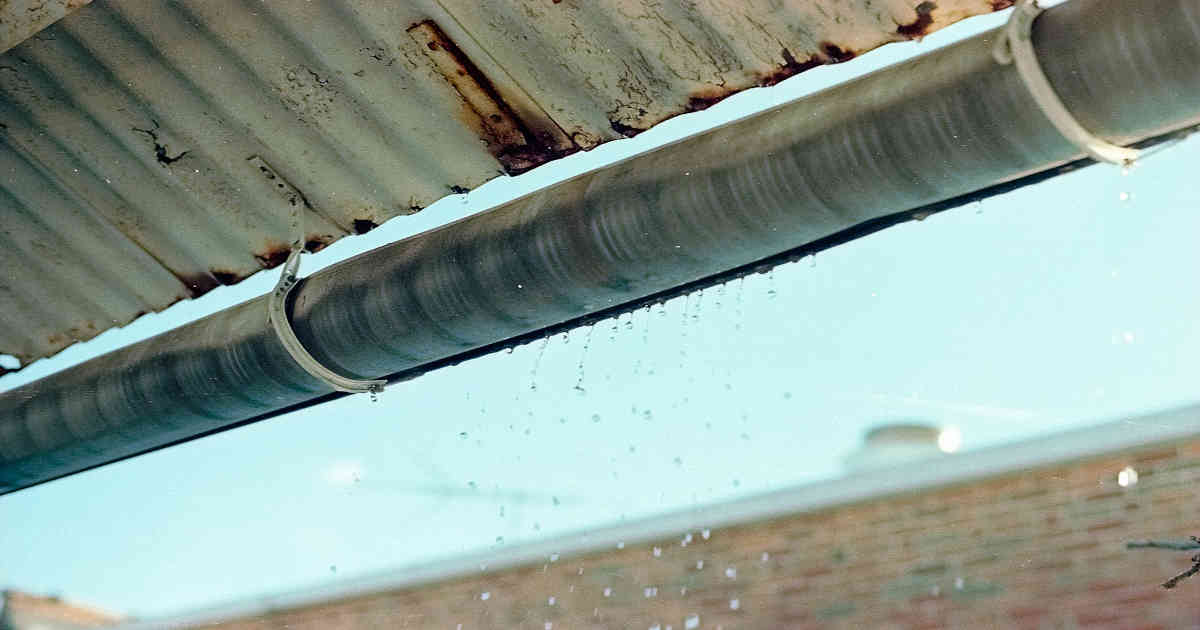
Leaking gutters should never be ignored. Water escaping through cracks, holes, or failed seams can collect around your home's foundation and create long-term structural problems.
As water repeatedly saturates the soil, expansion and contraction can increase the risk of foundation cracks, settlement, and moisture intrusion.
Common causes of leaking gutters include:
- Failed seals or joints
- Storm damage
- Fallen tree limbs
- Corrosion
- Impact damage
Small, isolated leaks at clean, structurally sound seams may be repairable with a compatible gutter sealant. Widespread holes, repeated seam failure, or extensive corrosion usually point to section replacement or a new system.
5. Ice Dams and Winter Drainage Problems
An ice dam is a thick ridge of ice that forms along the edge of a roof, typically near the eaves. Ice dams develop when snow melts on the warmer portions of the roof and refreezes at the colder roof edge.
As ice accumulates, it prevents proper drainage and forces water back beneath the shingles. This trapped water can damage ceilings, walls, insulation, and other structural components of the home.
Several factors contribute to ice dam formation, including:
- Poor attic insulation
- Air leaks from the living space into the attic
- Inadequate attic ventilation
- Fluctuating temperatures near freezing
- Clogged gutters that restrict drainage
Keeping gutters clean and maintaining proper attic ventilation can help prevent ice dams from forming.
Gutters do not create ice dams by themselves; uneven roof temperatures are the primary cause. Attic air sealing, insulation, and ventilation are central to prevention. In vulnerable roof areas, properly installed ice and water shield underlayment adds a secondary barrier against water that backs up beneath shingles.
6. Siding Stains, Peeling Paint, or Rot
Water stains on your siding or peeling exterior paint may indicate that your gutters are not directing water away from your home properly.
When gutters overflow or leak, water can run down the side of the house, leaving unsightly stains and causing paint to deteriorate. In addition to affecting your home's appearance, prolonged exposure to moisture can lead to rot and other exterior damage.
Proper gutter installation and routine maintenance can help protect your home's exterior surfaces.
Inspect the fascia, soffit, window trim, and lower siding near the affected area. Discoloration may be cosmetic, but soft wood, swelling, or recurring moisture can indicate hidden deterioration that needs prompt attention.
7. Loose, Disconnected, or Damaged Downspouts
A downspout is responsible for directing water away from your home’s foundation. When a downspout becomes loose, disconnected, or damaged, water may pool around the base of the house.
Over time, this can cause soil erosion, basement flooding, and foundation damage.
Common causes of downspout problems include:
- Incorrect sizing
- Improper installation
- Incompatible fittings
- Physical damage from weather or impact
Inspect downspouts regularly, confirm that every connection is secure, and verify that discharge is directed away from the foundation. Damaged elbows, outlets, bands, and other gutter accessoriesshould be replaced with components that match the existing system.
When to Repair or Replace Your Gutters
Recognizing and addressing gutter problems early can reduce the risk of expensive repairs. The age of the system, the number of affected areas, the condition of the fascia, and the frequency of recurring problems all help determine whether a targeted repair or broader replacement makes sense.
When a Focused Repair May Be Enough
A repair may be practical when the problem is isolated and the surrounding material remains sound. Examples include a loose hanger, one failed seam, a missing downspout band, or a small section that has shifted out of alignment. The repair should restore both secure attachment and the correct drainage path.
When Replacement Deserves Consideration
Replacement may be more economical when the system has widespread rust, repeated leaks, multiple sagging sections, incorrect sizing, or damaged fascia along a long roof edge. A system that repeatedly overflows despite cleaning may also need a new layout, larger gutters, or additional downspouts.
Protect Your Home With the Right Gutter Products
Your gutter system is one of the first lines of defense against water damage. Addressing minor issues before they become major problems can help protect your foundation, roof, siding, and landscaping while avoiding costly repairs.
Regular inspections, cleaning, and timely repairs will keep your gutters functioning properly and your home protected year-round.
At Home Improvement Supply, we offer gutter products for maintenance, repairs, and new installations, including protection systems, sealants, hangers, fasteners, and drainage accessories. Review product dimensions and material compatibility before ordering, and work with a qualified installer when the project involves damaged fascia, steep rooflines, or full system replacement.
Frequently Asked Questions
How Often Should Gutters Be Inspected?
Inspect gutters at least twice a year, typically in spring and fall, and after severe storms. Homes surrounded by mature trees or exposed to heavy snow may need more frequent checks and cleaning.
Do Gutter Guards Eliminate the Need for Cleaning?
No. Gutter guards can reduce the amount of leaves and large debris entering the system, but fine debris can still collect. The guards, gutters, and downspouts should still be inspected periodically.
Can Every Gutter Leak Be Repaired With Sealant?
No. Sealant can work for small, clean seams or isolated cracks when the surrounding material is solid. Rust-through, distorted sections, widespread holes, or repeated seam failures usually require component or system replacement.
What Causes Gutters to Pull Away From the House?
Common causes include loose or poorly spaced hangers, heavy debris, standing water, ice loads, and deteriorated fascia. The attachment surface should be checked before new hardware is installed.