Fireclay vs. Stainless Steel Sinks: Which Kitchen Sink Is Right for You?
Posted by Steven Bieber on October 12, 2026
Quick Summary
Fireclay and stainless steel kitchen sinks offer different advantages in durability, maintenance, appearance, and installation. Fireclay provides a solid, traditional look and strong resistance to scratches and stains. Stainless steel is lightweight, versatile, impact-resistant, and available in numerous sizes and installation styles. Your budget, kitchen design, cookware habits, cabinet construction, and maintenance preferences can help determine which sink material fits your needs.
Choosing Your Next Kitchen Sink: Fireclay vs. Stainless Steel
Looking to replace your kitchen sink? A new sink is a great opportunity to upgrade your kitchen with something attractive, durable, and easy to maintain. Two of the most popular options are fireclay and stainless steel sinks.
Both materials offer distinct advantages, but they differ in durability, maintenance, cost, installation requirements, and overall appearance. Understanding these differences can make it easier to compare fireclay vs. stainless steel kitchen sinks before choosing a material for your kitchen.
What Is a Stainless Steel Kitchen Sink?
A stainless steel sink is made from a steel alloy containing chromium and nickel. Stainless steel kitchen sinks typically range from 16-gauge to 22-gauge, with a lower gauge indicating thicker steel.
Many stainless steel sinks are made from Type 304 stainless steel, a popular grade known for its corrosion resistance and durability. Type 304 is sometimes called 18/8 stainless steel because it contains approximately 18% chromium and 8% nickel.
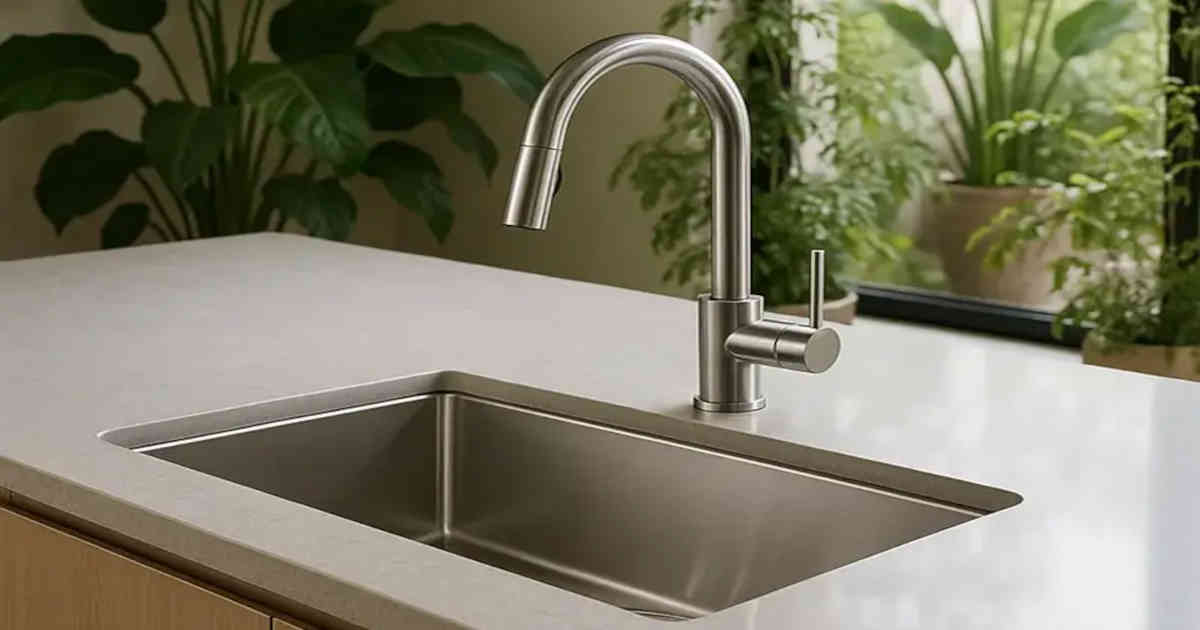
Stainless steel sinks are available in a variety of shapes, sizes, mounting styles, and finishes, making them a versatile choice for modern, transitional, and traditional kitchens. Popular options include undermount, top-mount, and farmhouse-style stainless steel sinks.
What Is a Fireclay Kitchen Sink?
A fireclay sink is a ceramic sink made from a combination of clay and other natural materials. The material is shaped into a sink and coated with a porcelain enamel glaze before being fired in a kiln at extremely high temperatures, often exceeding 2,000°F.
This firing process creates a hard, durable, non-porous glazed surface. Fireclay sinks are especially popular in farmhouse and traditional kitchen designs, although their clean, simple appearance also works well in contemporary spaces.
The glazed surface gives fireclay sinks their distinctive smooth appearance and makes them a popular choice for homeowners looking for a statement sink.
Fireclay vs. Stainless Steel: Which Sink Is Quieter?
Noise is one of the biggest differences between fireclay and stainless steel sinks.
On its own, stainless steel can amplify the sound of running water and clattering dishes. Quality stainless steel sinks often use rubber pads, sound-deadening materials, or undercoating on the underside of the basin to reduce noise. In general, thicker-gauge stainless steel can also feel more substantial and help reduce vibration.
Fireclay sinks are naturally quieter than stainless steel sinks because their dense ceramic construction absorbs more sound and vibration. Water and dishes hitting the basin tend to produce a solid, muted sound rather than the metallic echo sometimes associated with stainless steel.
For homeowners who place a high priority on a quieter kitchen sink, fireclay generally offers an advantage because of its dense construction. However, sound levels can also vary among individual sink models and installations.
Fireclay vs. Stainless Steel: Durability Comparison
Neither material is indestructible, but fireclay and stainless steel respond differently to impacts, scratches, and heat.
Fireclay Sink Durability
Fireclay is one of the hardest materials commonly used for kitchen sinks. Its glazed surface is highly resistant to scratches, stains, and heat from hot cookware placed directly in the basin.
However, fireclay can chip if a heavy object, such as a cast-iron skillet, is dropped into the sink with enough force. A chip in the glaze is permanent, although it typically does not spread or rust like a damaged metal surface can.
Stainless Steel Sink Durability
Stainless steel has different strengths and weaknesses. It can tolerate significant impact without chipping, making it a practical choice for busy kitchens where heavy cookware is frequently used.
The tradeoff is that stainless steel can scratch, particularly when abrasive cleaning pads or steel wool are used. Sinks with a brushed or satin finish tend to hide light scratches because they blend into the existing grain of the surface.
Stainless steel can also dent if subjected to a sufficiently strong impact.
Overall, fireclay has an advantage when scratch and stain resistance are priorities, while stainless steel has an advantage when impact resistance and flexibility are more important.
Kitchen Sink Maintenance: Fireclay vs. Stainless Steel
Both fireclay and stainless steel are relatively low-maintenance sink materials compared with some natural stone and other specialty sink materials. However, each has different cleaning considerations.
How to Clean and Maintain a Fireclay Sink
Fireclay sinks are highly resistant to stains from common kitchen substances such as coffee, wine, and food residue. For everyday cleaning, dish soap and a soft cloth or sponge are generally sufficient.
Because the glazed surface is non-porous, it does not readily absorb odors or moisture. Avoid harsh abrasive pads and cleaners, which can dull or damage the finish over time.
How to Clean and Maintain a Stainless Steel Sink
Stainless steel is also easy to clean, but it is more prone to showing water spots, fingerprints, and streaks than fireclay.
For the best appearance, rinse the sink after use and wipe it dry with a soft cloth. Clean with a mild dish soap and a non-abrasive sponge, working with the grain of the stainless steel when possible.
If you have hard water, mineral deposits can accumulate around the drain, faucet, and other areas of the sink. White vinegar can help dissolve these deposits, although it should be rinsed away thoroughly after cleaning.
A brushed stainless steel finish is generally more forgiving of everyday marks than a polished finish.
Both materials are relatively easy to maintain. Fireclay may hide some stains and water spots better, while stainless steel benefits from regular drying and cleaning with the grain.
Fireclay vs. Stainless Steel Sink Cost
Stainless steel sinks are generally less expensive than fireclay sinks. They are available at a wide range of price points, and their lighter weight can also make shipping and installation less expensive.
Fireclay sinks typically have a higher purchase price. Their considerable weight can also increase shipping costs and installation expenses.
When comparing prices, consider the total cost of the sink, not just the retail price. A fireclay sink may require additional cabinet support, reinforcement, or professional installation, particularly when installing a heavy apron-front or farmhouse-style model.
Sink prices can also vary significantly based on size, brand, gauge or construction, finish, configuration, and included features.
Fireclay vs. Stainless Steel Sink Installation
Installation is another important consideration when choosing between fireclay and stainless steel.
Stainless steel sinks are relatively lightweight and are available in several installation styles, including top-mount, undermount, and farmhouse configurations. Their lighter weight can make installation and cabinet modifications easier.
Fireclay sinks are significantly heavier. Some large models can weigh 80 pounds or more, and larger sinks may weigh well over 100 pounds. Depending on the sink and cabinet construction, additional support may be necessary to safely carry the weight.
For an apron-front fireclay sink, cabinet modifications and a support structure may also be required. This can increase installation time and labor costs.
If installation simplicity and lower weight are priorities, stainless steel may be easier to work with. Fireclay may require more planning to account for the sink's weight and cabinet support requirements.
Appearance and Kitchen Design
Appearance is often one of the deciding factors when comparing fireclay vs. stainless steel sinks.
Fireclay sinks have a classic, substantial appearance that works particularly well in farmhouse, traditional, cottage, and transitional kitchens. They are commonly available in white and other light colors, making them a prominent design feature.
Stainless steel sinks have a more streamlined and utilitarian appearance. They complement modern, contemporary, industrial, and transitional kitchens and pair easily with stainless steel appliances and other metal finishes.
If you want your kitchen sink to serve as a major design feature, fireclay may be the better choice. If you prefer a versatile material that blends easily with different kitchen styles, stainless steel is hard to beat.
The best material for your kitchen design ultimately depends on the look you want to create, the other finishes in the room, and whether you want the sink to stand out or blend into the overall design.
Which Kitchen Sink Is Better: Fireclay or Stainless Steel?
The right choice depends on your priorities, budget, and kitchen design.
Fireclay is a good choice if you:
- Prefer a farmhouse, traditional, or design-focused kitchen.
- Want a sink that resists scratches and stains.
- Prefer a quieter sink.
- Like the substantial appearance of a ceramic sink.
- Are comfortable with a higher purchase and installation cost.
- Have cabinetry that can accommodate a heavy sink or are prepared to add reinforcement.
Stainless steel is a good choice if you:
- Cook frequently with heavy cookware.
- Want a lightweight and versatile sink material.
- Prefer a modern or functional appearance.
- Want to minimize the purchase and installation cost.
- Want a sink that can withstand impacts without chipping.
- Prefer a wide range of sink sizes, shapes, finishes, and installation styles.
Conclusion: Should You Choose a Fireclay or Stainless Steel Sink?
Fireclay and stainless steel are both excellent kitchen sink materials, but they excel in different areas.
Choose fireclay if appearance, scratch and stain resistance, and noise reduction are your top priorities. Its classic look makes it especially well suited to farmhouse and traditional kitchens, but the higher cost and heavier weight can make installation more involved.
Choose stainless steel if you want an affordable, versatile sink that can handle heavy cookware and is relatively straightforward to install. It is an excellent option for busy kitchens and works with a wide variety of kitchen styles.
Before choosing a kitchen sink, compare the material, dimensions, installation type, cabinet requirements, finish, and overall cost. Considering how you cook and maintain your kitchen can help you select a sink that fits your everyday needs.
By considering durability, maintenance, cost, installation, noise, and design, you can choose the kitchen sink material that best fits your home and how you use your kitchen.
Frequently Asked Questions
1. Is fireclay better than stainless steel for a kitchen sink?
Neither material is universally better. Fireclay suits homeowners prioritizing appearance, scratch resistance, and quieter operation, while stainless steel offers lightweight construction, impact resistance, versatility, and generally lower costs.
2. Which is more durable, fireclay or stainless steel?
Both materials are durable but respond differently to damage. Fireclay resists scratches and stains, while stainless steel handles impacts without chipping. Either can last for many years with proper care.
3. Is fireclay or stainless steel easier to clean?
Both are relatively easy to clean. Fireclay typically hides stains and water spots better, while stainless steel may show fingerprints and mineral deposits. Mild soap and non-abrasive cleaning methods work well.
4. Are fireclay sinks more expensive than stainless steel sinks?
Yes. Fireclay sinks generally cost more to purchase and install because of their weight. Stainless steel sinks are typically lighter, more affordable, and easier to handle during installation.
5. Which kitchen sink is better for a busy kitchen?
Stainless steel can suit busy kitchens because it handles impacts without chipping and accommodates heavy cookware. Fireclay remains durable but requires greater care around heavy objects that could damage its glaze.