Roofing Nails vs. Staples: Which Fastener Is Best for Your Roof?
Posted by Steven Bieber on August 24, 2026
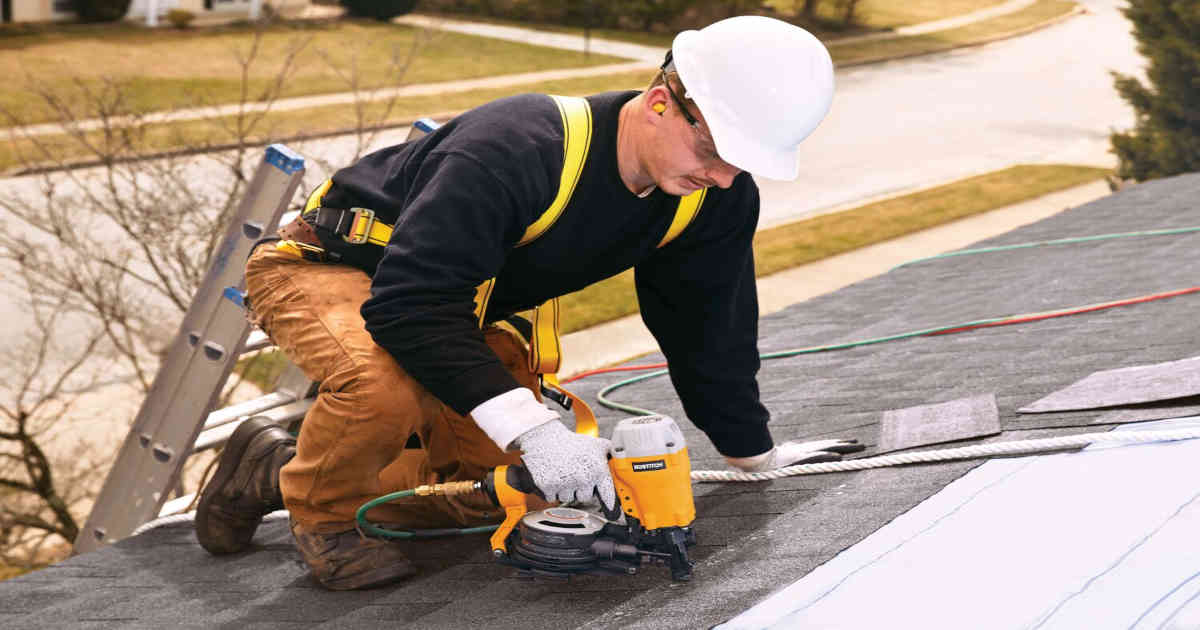
Quick Summary
Roofing nails are generally the preferred fastener for asphalt shingles because their round heads create dependable holding power and are easier to place correctly. Staples still have useful roles for underlayment, housewrap, and specialty materials when the manufacturer allows them. The right choice depends on the roofing product, local code, tool setup, and installation instructions, not speed alone.
Choosing Between Roofing Nails and Staples
Asphalt shingles remain a common roofing material because they balance cost, durability, and straightforward installation. When comparing roofing nails vs. staples, however, the correct fastener is not a minor detail. It affects wind resistance, shingle alignment, inspection results, and warranty compliance.
Below, we compare roofing nails and staples, explain where each belongs, and outline the questions to answer before fastening shingles, underlayment, or housewrap.
Roofing Nails: The Preferred Fastener for Asphalt Shingles
Roofing nails are the industry standard for most asphalt shingle installations. Their broad, round heads spread pressure across the shingle and create strong resistance to uplift when the nails are placed in the correct nailing zone and driven to the proper depth.
Advantages of Roofing Nails
- Strong holding power for long-term shingle performance
- Better resistance to high winds and severe weather when installed correctly
- A round head that makes depth and placement easier to inspect
- Reliable alignment with common shingle nailing patterns
- Broader acceptance under local codes and manufacturer warranty requirements
Roofing Nail Size, Length, and Material
For many asphalt shingle systems, manufacturers call for corrosion-resistant roofing nails with at least a 12-gauge shank and a head diameter of at least 3/8 inch. Nail length must also be sufficient to penetrate the roof deck as specified. Galvanized steel, stainless steel, copper, or aluminum may be appropriate in different assemblies, so the shingle manufacturer, local code, and project documents should guide the final selection.
Tool and Installation Considerations
Roofing nail guns are generally heavier than staple guns, which can contribute to fatigue during long projects. Nailers may also take longer to reload or jam when the coil, air pressure, or tool setup is incorrect. These productivity differences matter, but they do not replace the fastener requirements for the roofing material.
Roofing Staples: Where They Still Fit
Roofing staples serve a different purpose from roofing nails. Although staples were once used for some shingle installations, many modern asphalt shingle systems call for nails because staples have a narrower bearing surface and are more sensitive to angle, orientation, and drive depth.
Appropriate Uses for Roofing Staples
- Fastening selected roofing underlayment when the manufacturer permits staples
- Securing housewrap with compatible staples or cap fasteners
- Installing certain membranes, insulation products, or specialty materials when specified by the manufacturer
- Temporarily positioning material before the required permanent fastening is completed
Never assume that one staple size or pattern works for every product. Check the installation instructions for fastener type, crown width, leg length, spacing, corrosion resistance, and cap requirements before beginning the job.
Advantages and Limitations of Roofing Staples
Staples can be practical when the product and application allow them.
Staple guns are often lighter and easier to maneuver than roofing nailers.
- Staple guns are often lighter and easier to maneuver than roofing nailers.
- They can speed up underlayment or housewrap installation on large surfaces.
- They are available in several crown widths and leg lengths for compatible tools.
- Many staple tools reload quickly and operate with less user fatigue.
- Staples have significant limitations when used outside their intended application.
- A narrow crown generally offers less bearing area than a roofing nail head.
- Incorrect angle, orientation, or depth can damage material or weaken the attachment.
- Staples may loosen or pull through shingles more readily under wind uplift.
- Using staples where nails are required can create inspection problems and may affect manufacturer warranty coverage.
Installation accuracy is a major concern. The tool must remain perpendicular so the crown lies flat and does not cut into the material. A crooked staple can leave one leg underdriven while the other leg is overdriven.
Overdriven staples can tear shingles, felt, or membranes. Underdriven staples may remain proud of the surface and interfere with the next layer. Correct compressor pressure, tool adjustment, and test fastening are important before production work begins.
Roofing Nails vs. Staples: Which One Should You Choose?
For most asphalt shingle installations, roofing nails are the better choice. They create a larger bearing surface, resist uplift more effectively, and are easier to evaluate for correct placement. Staples remain useful for selected secondary materials, but only when the product instructions and code permit them.
Follow the Product Instructions First
Fastener selection should begin with the written installation instructions for the shingles, underlayment, housewrap, or specialty material. Those instructions identify the approved fastener, size, spacing, penetration, and nailing zone. Local code and project specifications may add requirements, especially in high-wind or coastal areas.
Match the Tool to the Fastener and Material
The correct fastener still needs the correct tool. Set compressor pressure and depth control on a test section, keep the tool square to the surface, and inspect fasteners throughout the job. A dependable selection of roofing supplies and roofing tools helps contractors maintain consistent placement and avoid preventable rework.
Find the Right Roofing Fasteners at Home Improvement Supply
At Home Improvement Supply, we carry nails, staples, nailers, staplers, underlayments, housewrap, and related products for professional and DIY projects. Compare specifications carefully, verify tool compatibility, and browse our complete selection when you are ready to shop fasteners for your next roofing or exterior project.
Frequently Asked Questions
Can staples be used to install asphalt shingles?
Only when the shingle manufacturer and local building code specifically allow them. Many current asphalt shingle systems require roofing nails, so homeowners and contractors should never substitute staples without checking the written instructions.
What size roofing nail is commonly used for asphalt shingles?
Many manufacturers specify a corrosion-resistant nail with at least a 12-gauge shank and a head at least 3/8 inch in diameter. Required length depends on the roof deck and assembly, so follow the shingle manufacturer’s penetration requirements.
Can staples be used for roofing underlayment?
Some underlayments permit staples, often with caps, while others require cap nails or another approved fastener. Review the exact product instructions before selecting a tool or fastener pattern.
Should roofing nails be driven flush with the shingle?
The head should sit flat against the shingle without cutting into it. Overdriven nails can damage the mat, while underdriven nails may interfere with the next course and reduce holding performance.