How Long Do Gutters Last? Gutter Lifespan by Material and Signs It's Time to Replace Them
Posted by Steven Bieber on September 08, 2026
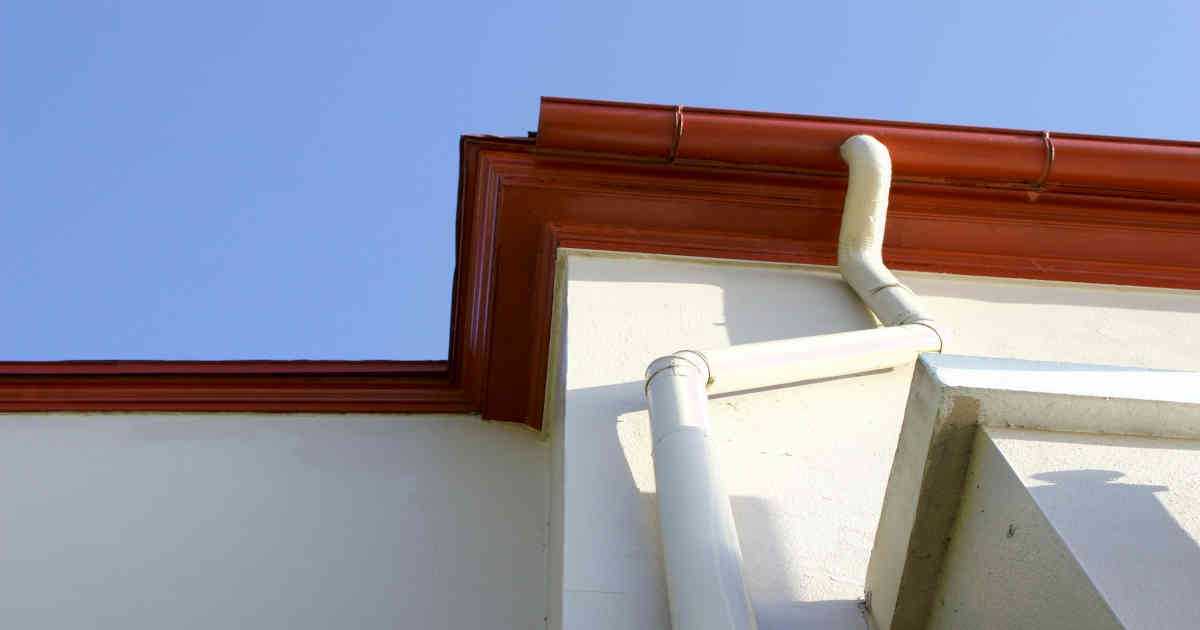
Gutters play a vital role in protecting your home by directing rainwater away from the foundation. Without a properly functioning gutter system, rainwater can damage your home's siding and trim, seep into the basement, and lead to costly water damage. Over time, uncontrolled runoff can erode the soil around your home, weaken structural components, and compromise your property's foundation.
How long do gutters last?
While gutters are built to last, they won't last forever. Their lifespan depends on the material, installation quality, local climate, and how well they're maintained. Heres how long different types of gutters last, what you can do to extend their lifespan, and the warning signs that it's time for a replacement.
At Home Improvement Supply, we carry a wide selection of gutter guards and gutter protection systems to help homeowners and contractors extend the life of their gutters.
Gutter Lifespan by Material
The material you choose has the biggest impact on how long your gutters will last. While premium materials like copper have a much longer lifespan, they also come with a higher upfront cost.
Here's the average lifespan of common gutter materials:
- Vinyl (PVC): 10-20 years
- Aluminum: 20-30 years
- Galvanized Steel: 20-30 years
- Zinc: 30-50 years
- Copper: 50-100+ years
- Stainless Steel: 50+ years
- Wood: 20-50 years
- Cast Iron: About 50 years
The best gutter material depends on your budget, climate, and home's design. If you're unsure which option is right for your home, consult a professional gutter contractor for recommendations.
How to Extend the Life of Your Gutters
Proper maintenance can significantly increase the lifespan of your gutters and reduce repair costs. Here are the best ways to keep your gutter system in good condition.
Clean Your Gutters Regularly
Clogged gutters can cause water damage, roof leaks, ice dams, and foundation issues. To keep water flowing properly, clean your gutters at least twice a year, typically in the spring and fall. Homes with heavy tree coverage may require more frequent cleanings.
If you're uncomfortable working on a ladder or want a thorough inspection while your gutters are being cleaned, consider hiring a professional.
Install Gutter Guards
Gutter guards are one of the most effective ways to reduce maintenance and prevent clogs. They block leaves, twigs, and other debris while allowing rainwater to flow freely through your gutters.
Although gutter guards don't eliminate maintenance, they greatly reduce debris buildup and the frequency of cleanings. By improving water flow and preventing blockages, they can help protect your home from water damage while extending the life of your gutter system.
Reapply Gutter Sealant
Over time, the sealant around gutter joints can deteriorate. Reapplying gutter sealant every five to ten years helps prevent leaks and improves your gutters' durability. Homes in areas with heavy rain, snow, or frequent freeze-thaw cycles may need sealant replaced more often.
Factors That Affect Gutter Lifespan
Even high-quality gutters can wear out sooner than expected if they're exposed to harsh conditions or neglected. Several factors affect how long gutters last.
Installation Quality
Even the best gutter material won't perform well if it's installed incorrectly. Poor installation can lead to sagging, leaks, and premature failure. Hiring an experienced contractor helps ensure your gutters are properly pitched and securely attached.
Climate
Extreme weather, including heavy rain, snow, ice, high winds, and prolonged heat, can shorten the lifespan of your gutters by accelerating wear and tear.
Routine Maintenance
Regular cleaning, resealing, inspections, and minor repairs help prevent rust, leaks, and sagging. An annual inspection can identify small issues before they become expensive repairs.
Tree Coverage
Trees surrounding your home can fill gutters with leaves, twigs, and other debris, increasing the likelihood of clogs. Trimming overhanging branches can reduce buildup and minimize maintenance.
Signs It's Time to Replace Your Gutters
Routine maintenance can extend the life of your gutters, but eventually every gutter system needs to be replaced. Watch for these warning signs.
Sagging or Pulling Away from the House
Gutters that bow in the middle or pull away from the fascia have likely lost their structural integrity. In many cases, tightening the gutter fasteners won't solve the problem.
Cracks, Holes, or Rust
Visible cracks, holes, corrosion, or large rust spots indicate permanent damage. Even small cracks tend to grow over time, allowing water to reach your home's siding, fascia, and framing.
Water Pooling Near the Foundation
Standing water, eroded soil, muddy areas, or damp basement walls often indicate your gutters are no longer directing water safely away from your home's foundation.
Leaking Seams and Separated Joints
Sectional gutters rely on sealed joints. If seams continue to leak after multiple repairs, the gutter sections may have warped and should be replaced.
Peeling Paint or Water Stains
Peeling paint, water stains, or dark "tiger stripes" beneath the roofline are signs that water has been overflowing or standing in the gutters for an extended period.
Loose or Fallen Fasteners
If you regularly find gutter spikes, screws, or nails on the ground, the fascia may be rotting, or the gutters may be too heavy to remain securely attached.
Protect Your Home With Home Improvement Supply
The material you choose plays the biggest role in determining how long your gutters will last, from budget-friendly vinyl (10 to 20 years) to premium copper (50 to 100+ years). But material is only part of the equation. Proper installation, regular maintenance, climate, and surrounding trees all affect how long your system holds up.
That's where we come in. At Home Improvement Supply, we carry a wide selection of gutter guards, sealants, and hardware trusted by homeowners and contractors alike, along with the expert support to help you choose the right products for your home. Whether you're maintaining an existing system or planning a replacement, we make it easy to find what you need and get it delivered fast.
Frequently Asked Questions About Gutter Lifespan
How often should gutters be replaced?
Most gutters last between 20 and 30 years, but the exact lifespan depends on the material, climate, installation quality, and maintenance. Vinyl gutters typically need replacement sooner, while copper and stainless steel gutters can last 50 years or more.
How do I know if my gutters need replacing instead of repairing?
Small leaks, loose fasteners, or minor damage can often be repaired. However, if your gutters are sagging, pulling away from the house, rusting through, separating at the seams, or causing water to pool near your foundation, replacing the system is usually the better long-term solution.
What type of gutters last the longest?
Copper gutters have the longest lifespan, lasting 50 to 100 years or more with proper maintenance. Stainless steel and zinc gutters are also highly durable and can last several decades, although they typically cost more than aluminum or vinyl.
Do gutter guards make gutters last longer?
Yes. Gutter guards help reduce debris buildup, improve water flow, and minimize clogs that can cause sagging, rust, and water damage. While they don't eliminate maintenance, they can extend the lifespan of your gutter system and reduce the frequency of cleanings.
How often should gutters be cleaned?
Most homes should have their gutters cleaned at least twice a year, typically in the spring and fall. If trees surround your home, you may need to clean them more frequently to prevent clogs and overflowing water.
Can clogged gutters damage my home's foundation?
Yes. When gutters overflow or fail to direct water away from your home, rainwater can collect around the foundation. Over time, this can lead to soil erosion, foundation settling, basement leaks, and costly structural repairs.
What is the average lifespan of aluminum gutters?
Aluminum gutters typically last 20 to 30 years with proper installation and regular maintenance. Because they are lightweight, rust-resistant, and affordable, aluminum is one of the most popular gutter materials for residential homes.
Is it worth replacing old gutters?
Yes. Replacing worn-out gutters can prevent expensive water damage to your roof, siding, foundation, landscaping, and basement. If your gutters have widespread damage or are nearing the end of their expected lifespan, replacement is often more cost-effective than repeated repairs.