How Gutter Protection Saves Homeowners Money Over Time
Posted by Steven Bieber on August 31, 2026
Quick Summary
Gutter protection can reduce recurring cleaning, limit debris-related overflow, and help gutters drain more consistently. The potential savings come from avoiding preventable water damage, reducing ladder use, and extending the useful life of the gutter system. The strongest long-term value comes from choosing a compatible product, installing it correctly, and continuing periodic inspections rather than treating guards as maintenance-free.
Understanding the Value of Gutter Protection
Homeowners often invest in visible upgrades such as siding, roofing, and landscaping, but the drainage system protecting those improvements deserves the same attention. Gutter protection savings are less obvious than a cosmetic renovation, yet they can add up through lower maintenance demands and fewer debris-related problems.
Gutter guards do not eliminate cleaning or guarantee that water damage will never occur. They can, however, reduce the amount of leaves and larger debris entering the system, which may lower cleaning frequency and help water move through gutters and downspouts more reliably. The following benefits explain where long-term value can come from.
Reduce Routine Cleaning and Maintenance Costs
Open gutters can fill quickly beneath mature trees or during seasonal leaf drop. Repeated professional cleaning becomes an ongoing household expense, while DIY cleaning requires time, tools, and safe ladder access. A compatible guard can reduce heavy buildup and make periodic maintenance faster.
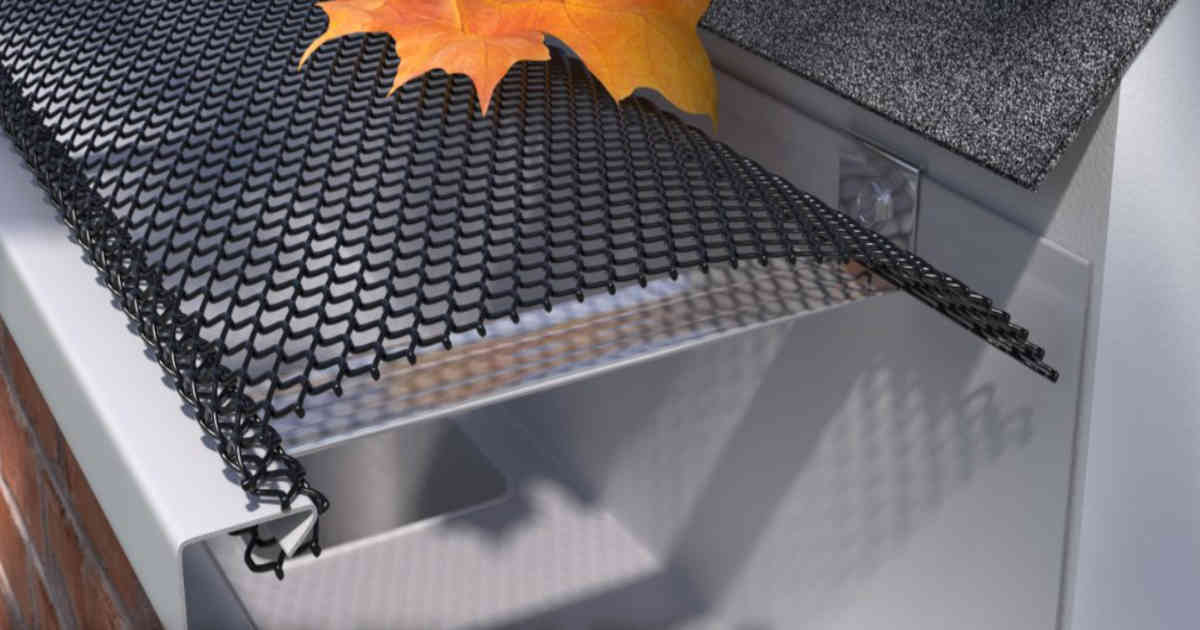
Different designs handle debris in different ways. Mesh gutter guards filter leaves and smaller material at the top of the gutter, while perforated panels and solid covers use different opening patterns. Matching the product to local debris helps prevent spending money on a system that still needs frequent attention.
Help Prevent Water Damage and Expensive Repairs
One of the most important benefits of gutter guards is reducing debris that contributes to clogs. When gutters overflow, water can saturate fascia, stain siding, erode landscaping, collect near the foundation, or enter basements and crawl spaces. Repairs to these areas can cost far more than routine gutter care.
A guard that remains clear and allows adequate water flow can help the system manage runoff more consistently. It does not correct undersized gutters, poor pitch, failed seams, or blocked downspouts, so the existing system should be inspected before installation.
Reduce Combustible Debris Near the Roofline
Dry leaves, pine needles, and twigs collected at the roof edge can become combustible material during prolonged dry weather. Reducing that accumulation is especially relevant in areas exposed to wildfire embers, although gutter guards should be only one part of a broader property-specific fire-mitigation plan.
Some metal gutter guards use steel or aluminum components that do not add combustible plastic or foam at the roof edge. Material alone does not make the assembly fireproof, and debris can still collect on top, so periodic cleaning remains important.
Reduce Ladder Use for Routine Cleaning
Every gutter-cleaning trip requires ladder setup, stable footing, and work near the roof edge. Reducing heavy debris buildup can decrease how often a homeowner needs to climb for routine cleaning, which limits exposure to a common maintenance hazard.
Guards still need inspection, and some designs must be brushed or rinsed from time to time. Homeowners who are not comfortable working at height should use a qualified professional rather than treating the presence of guards as a reason to skip safe access practices.
Limit Debris-Related Freezing and Winter Gutter Stress
Debris-filled gutters can trap water that later freezes, adds weight, and stresses hangers and seams. Keeping the drainage path clearer may reduce some gutter-related freezing problems.
Gutter guards do not solve roof ice dams by themselves. Ice dams are primarily linked to roof-temperature differences caused by heat loss, insulation, air leakage, and ventilation. A clear gutter can help drainage, but attic and roofing conditions must also be addressed.
Protect Curb Appeal and Buyer Confidence
A clean, well-maintained gutter system protects the roofline and reduces streaking, peeling paint, and overflow stains. Those practical and visual benefits can make the exterior look better cared for when the property is shown to buyers.
Gutter guards should not be treated as a guaranteed increase in resale value. Still, documentation of a compatible product, correct installation, and regular maintenance may reassure buyers who want fewer exterior upkeep demands.
Reduce Premature Wear on Gutters and Hardware
Wet debris can hold moisture against metal, add weight to the gutter, and place extra stress on hangers and fasteners. Repeated overflow can also damage sealant, fascia, and adjoining exterior materials.
By reducing buildup, guards can help the gutter remain lighter and drain more predictably. Worn attachment points should still be replaced with compatible gutter hangers and fasteners, and leaking joints may require suitable gutter sealants. Protection works best when the entire system is structurally sound.
Choose a System That Delivers Long-Term Value
The lowest-priced product is not automatically the least expensive over its full service life. A guard that needs frequent replacement, traps local debris, or does not fit the gutter profile can create repeat costs. Compare material, opening size, corrosion resistance, attachment method, warranty terms, and maintenance requirements.
Home Improvement Supply offers gutter protection systems for a range of gutter sizes, debris conditions, and installation approaches. We also carry gutter accessories for repairs and new installations. Review each product's dimensions and instructions before ordering so the complete system works together.
Make Gutter Protection Part of a Complete Maintenance Plan
Gutter protection can create meaningful long-term savings when it reduces heavy debris, lowers cleaning demands, and helps prevent overflow-related damage. The return depends on the surrounding trees, local climate, existing gutter condition, product quality, and installation.
The system still needs periodic inspection, and not every guard uses noncombustible material. Treat guards as a maintenance-reduction tool rather than a maintenance-free solution.
For homeowners and contractors comparing options, the best next step is to measure the gutter profile, identify the dominant debris, and choose a guard designed for the expected water volume. Correct fit and continued inspection are what turn the initial purchase into lasting value.
Explore our gutter guard products to compare materials, opening styles, sizes, and installation methods for your next project.
Frequently Asked Questions
Do Gutter Guards Pay for Themselves?
They may, especially on homes that require frequent cleaning or are exposed to heavy leaf and pine-needle debris. Savings vary because product price, installation, maintenance, and avoided repairs differ from one property to another.
Can Gutter Guards Prevent All Water Damage?
No. Guards reduce debris-related clogs, but water can still overflow when gutters are undersized, incorrectly pitched, damaged, or paired with blocked downspouts. Roof, flashing, drainage, and foundation conditions also affect water management.
How Often Should Protected Gutters Be Inspected?
Inspect them at least in spring and fall and after severe storms. Homes near mature trees may need more frequent checks. Remove material from the guard surface and confirm that downspouts discharge freely.
Which Gutter Guard Material Offers the Best Long-Term Value?
There is no single best material for every home. Metal mesh and perforated aluminum often offer strong durability, while lower-cost plastic, foam, or brush products may suit simpler applications. Match the material and opening size to the climate, debris, gutter profile, and maintenance plan.