How Clogged Gutters Lead to Costly Home Repairs And How to Prevent Them
Posted by Steven Bieber on July 06, 2026
Quick Summary
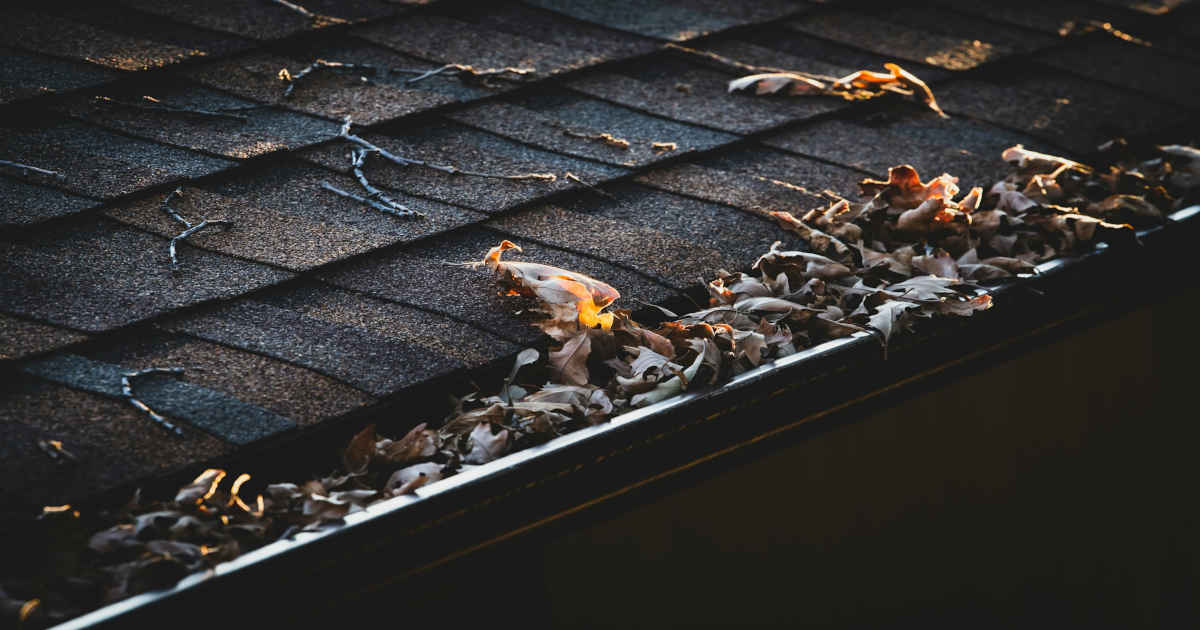
Clogged gutters are one of the most common and most expensive, causes of home damage. Left unaddressed, they can lead to ice dams, foundation cracks, pest infestations, and roof leaks that spread through your attic and walls. This guide explains exactly how gutter clogs form, the damage they cause, and the maintenance steps and gutter protection solutions that keep your home safe.
Your gutters play a critical role in protecting your home from water damage. They direct rainwater away from your roof, siding, foundation, and basement. However, gutters only work properly when they are clean and free of debris. When gutters become clogged or damaged, water cannot drain correctly, leading to expensive repairs and long-term structural problems.
Here’s how clogged gutters can damage your home and increase repair costs, and what you can do about it before small issues become major expenses.
Ice Dams and Winter Roof Damage: A Costly Seasonal Hazard
If gutters are not cleaned before winter, trapped water can freeze and contribute to the formation of ice dams. An ice dam is a thick ridge of ice that forms along the edge of a roof, typically near the eaves. It develops when snow melts on warmer sections of the roof and refreezes at the colder edges. Ice dams are especially common in homes with poor attic insulation, since escaping heat accelerates the melt-refreeze cycle that forms them.
As the ice builds up, it blocks proper drainage and forces water underneath shingles. This can damage roofing materials, insulation, ceilings, and walls, often resulting in costly repairs once the snow melts. Homeowners who schedule a fall gutter cleaning and roof inspection significantly reduce their risk of winter ice dam damage.
Foundation and Basement Water Damage From Clogged Gutters
When gutters overflow, rainwater spills directly around your home's foundation. Over time, this pooling water can erode soil, weaken the foundation, and compromise your home’s structural integrity.
Excess moisture may also seep through foundation cracks or window wells, leading to basement flooding and water damage. Repairing foundation issues and water intrusion can become extremely expensive if left untreated.
In many cases, a foundation repair bill can be avoided entirely by keeping gutters clear and ensuring downspouts carry water at least three to six feet away from the home.
Pest Infestations Caused by Clogged Gutters
Clogged gutters create the perfect environment for pests by trapping standing water, damp debris, and decaying organic matter. These conditions attract insects and animals looking for food, moisture, and shelter.
Common pests found in clogged gutters include:
- Mosquitoes
- Termites
- Cockroaches
- Rodents
- Wasps
Moisture buildup can also weaken roofing and siding materials, creating easy entry points for pests to invade your home. Left untreated, a pest infestation that begins in the gutters can spread into the attic and living spaces, adding pest control costs on top of gutter and roof repairs.
Roof and Ceiling Leaks Caused by Gutter Backups
When water cannot flow through the gutter system properly, it backs up beneath the roof shingles. Over time, this can rot the roof decking and cause leaks inside your attic, ceilings, and walls.
Excess moisture inside the home can also lead to mold growth, which may affect indoor air quality and pose health risks. Repairs involving roofing, drywall, insulation, and mold remediation can quickly cost thousands of dollars.
Fascia and Soffit Rot: Hidden Structural Damage
Fascia boards and soffits help protect your home from moisture, pests, and outdoor elements while supporting proper attic ventilation. When gutters become clogged, overflowing water saturates these components and causes wood rot and deterioration.
Damaged soffits can reduce attic ventilation, increasing heat and moisture buildup inside the attic. In severe cases, heavily clogged gutters may bend, sag, or pull away completely from the fascia boards. Replacing rotted fascia and soffit is one of the more labor-intensive gutter-related repairs, making early prevention well worth the effort.
Common Causes of Gutter Clogs
Gutters can become clogged for several reasons, including:
Leaves, Twigs, and Seeds
Wind-blown debris such as leaves, branches, and seeds can quickly accumulate inside gutters. When mixed with rainwater, this debris forms blockages that restrict water flow.
Shingle Granules
As asphalt shingles age, they shed protective granules that wash into the gutters during rainstorms. Over time, these granules settle into a dense, muddy buildup.
Standing Water
Improperly pitched gutters may allow water to pool instead of draining toward the downspouts. Standing water encourages debris buildup and increases the risk of clogs.
Pest Activity and Plant Growth
Damp leaves and dirt inside gutters create ideal conditions for seeds to sprout and plants to grow. Clogged gutters also attract birds, insects, and rodents searching for nesting areas.
Ice Dams
During winter, melting snow can refreeze inside clogged gutters, forming ice dams that block drainage and increase the risk of roof damage.
The True Cost of Ignoring Clogged Gutters
Many homeowners put off gutter maintenance because it seems like a minor chore, but the downstream repair costs tell a different story. Foundation repairs, roof decking replacement, mold remediation, and pest control can add up quickly when gutter problems are left unaddressed for even a single season. Compared to the cost of an occasional cleaning or a one-time gutter guard installation, the price of ignoring clogged gutters is almost always higher. Treating gutter maintenance as a routine part of home care, rather than an afterthought, is one of the most cost-effective ways to protect your investment.
How Often Should You Clean Your Gutters?
Most homeowners should clean their gutters at least twice a year, once in the spring and again in the fall before winter weather arrives.
Homes surrounded by trees may require more frequent cleaning to prevent heavy debris buildup. If climbing ladders is unsafe or difficult, hiring a professional gutter cleaning service is the safest option.
Gutter Guards: The Smart Preventive Solution
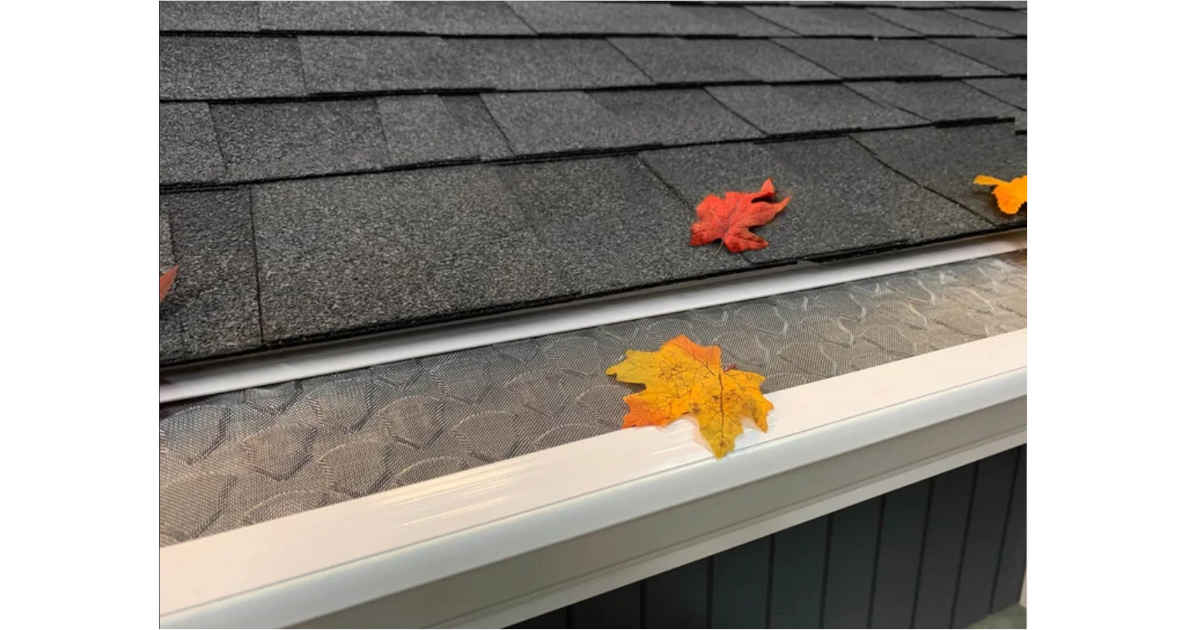
Installing gutter guards is one of the best ways to reduce gutter maintenance and prevent clogs. Gutter guards act as a protective barrier that keeps leaves, twigs, and debris out while still allowing rainwater to flow freely through the system.
Although gutter guards do not eliminate maintenance, they significantly reduce the amount of debris buildup and minimize the need for frequent gutter cleaning. Investing in gutter protection can help homeowners avoid costly water damage and extend the lifespan of their gutter system.
Signs It's Time to Call a Professional
- Water spilling over the sides of the gutters during rainfall
- Visible sagging, cracks, or separation from the fascia
- Standing water, plant growth, or persistent debris after cleaning
- Water stains on the ceiling, attic, or exterior walls
- Ice dams or heavy icicle buildup along the roofline
If you notice any of these warning signs, a roof and gutter inspection can help catch problems early, before they turn into costly structural repairs.
Frequently Asked Questions
How do I know if my gutters are clogged?
Signs of clogged gutters include water spilling over the sides during rain, sagging sections, visible debris, standing water, and plant growth inside the gutter trough itself.
Can clogged gutters really damage my foundation?
Yes. Overflowing water pools around the foundation, saturating the soil and creating hydrostatic pressure that can force water through cracks, leading to basement flooding and structural damage over time.
Are gutter guards worth the investment?
For most homeowners, yes. Gutter guards reduce debris buildup, cut down on cleaning frequency, and help prevent the overflow issues that lead to foundation, roof, and fascia damage.
How often should gutters be professionally cleaned?
Most homes benefit from professional cleaning twice a year, in spring and fall, though homes near heavy tree cover may need more frequent service to stay clear.