How Gutter Guards Prevent Basement Flooding and Protect Your Home's Foundation
Posted by Steven Bieber on July 27, 2026
Quick Summary
Basement flooding often starts with an overlooked culprit: clogged gutters. When gutters can't drain properly, water pools near the foundation and works its way inside. This guide explains how gutter guards prevent that chain reaction, compares the most popular gutter guard types on the market, and helps you choose the right option for your home's needs and budget.
After investing in a home, protecting it from water damage should be a top priority. One of the most important systems for safeguarding your property is the gutter system. Gutters direct rainwater away from your home's foundation, helping prevent soil erosion, foundation damage, and basement flooding.
However, gutters can only perform effectively when they are properly maintained. Over time, leaves, twigs, pine needles, and other debris can clog gutters and restrict water flow. Installing gutter guards is one of the most effective ways to reduce maintenance and help prevent basement flooding by keeping gutters clear and functioning properly.
The Risks of Gutter Overflow
When gutters become clogged or damaged, they can no longer channel water away from your home efficiently. As a result, rainwater overflows and accumulates around the foundation.
Over time, gutter overflow can lead to:
- Basement flooding
- Foundation cracks and structural damage
- Roof and fascia deterioration
- Mold and mildew growth
- Soil erosion around the home
- Landscape damage
How Gutter Guards Prevent Water Overflow
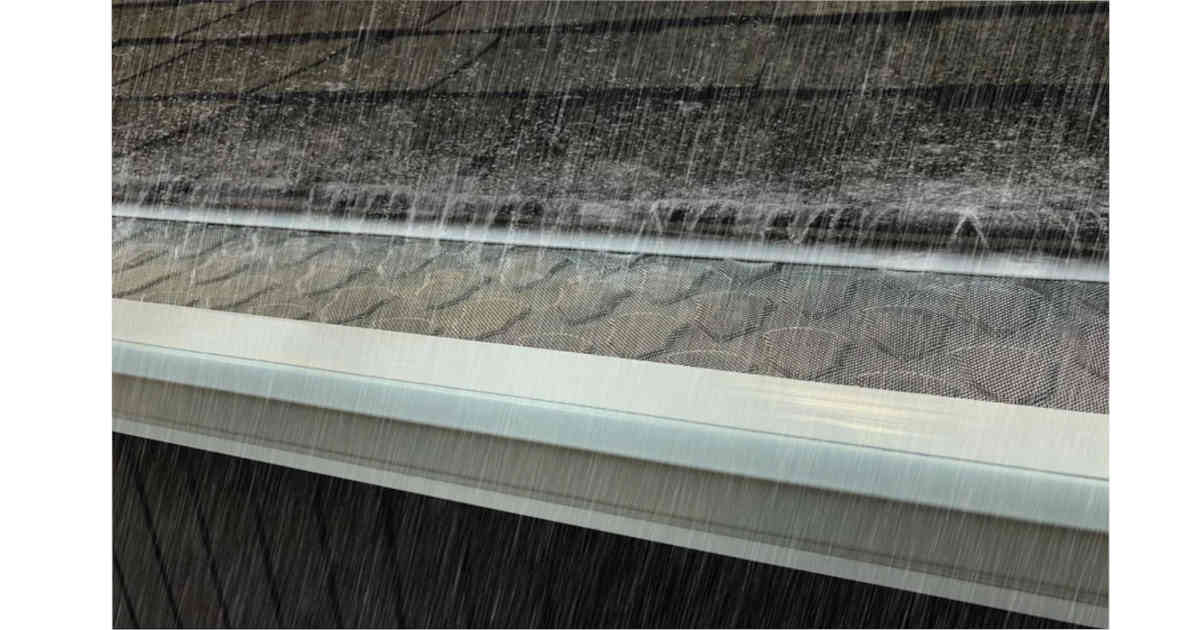
Gutter guards create a protective barrier that blocks leaves, twigs, and other debris while allowing rainwater to flow into the gutter system. By keeping gutters clear, gutter guards help maintain consistent water flow and reduce the risk of overflow during heavy rainstorms.
With fewer clogs, water can move freely through gutters and downspouts, directing it safely away from your home's foundation.
Key Ways Gutter Guards Improve Drainage and Prevent Flooding
Reduced Debris Buildup
Gutter guards prevent leaves, twigs, and other debris from accumulating inside gutters, reducing the likelihood of blockages.
Improved Water Flow
When gutters remain clear, rainwater can flow efficiently through the system and away from the foundation, helping prevent water damage.
Less Standing Water
Debris-free gutters are less likely to trap water. Standing water can accelerate gutter deterioration and create conditions for mold, mildew, and insect activity.
Better Performance During Heavy Rain
Gutter guards help your drainage system handle larger volumes of water during storms, reducing the risk of overflow and foundation issues.
Gutter Guards vs. Regular Cleaning: Which Costs Less Over Time?
Homeowners often weigh the upfront cost of gutter guards against the ongoing cost of regular cleaning. While professional cleaning twice a year is relatively affordable on its own, those costs add up over the 15 to 20-year lifespan of a typical gutter system.
Gutter guards carry a higher initial investment but reduce cleaning frequency significantly, and many higher-end options are backed by long manufacturer warranties.
For homeowners planning to stay in their home long-term, gutter guards often pay for themselves through reduced maintenance costs and a lower risk of the foundation and basement damage covered in this guide.
How Clogged Gutters Cause Basement Flooding
Basement flooding is often linked to poor drainage around the home. When gutters overflow, water spills over the edges and saturates the soil surrounding the foundation.
As water accumulates near the foundation, it can seep through cracks, gaps, or other weak points in basement walls. In severe cases, this can result in significant water damage and costly repairs.
Common causes of basement flooding related to gutters include:
- Overflowing gutters
- Poor drainage around the foundation
- Blocked or damaged downspouts
- Improper gutter slope or installation
- Excessive water pooling near the home
Why Gutter Guards Help Protect Your Basement
Installing gutter guards addresses many of the problems that lead to basement flooding. By minimizing clogs, gutter guards help maintain steady water flow through gutters and downspouts.
A properly functioning gutter system directs rainwater away from the foundation, reducing the likelihood of water infiltration and helping keep your basement dry. In addition, gutter guards reduce maintenance requirements and extend the lifespan of your gutter system. Pairing gutter guards with a professional gutter cleaning before installation ensures the system starts fully clear.
Which Gutter Guard is Best For Me?
Choosing the right gutter guard depends on your budget, maintenance preferences, and the types of debris common in your area.
Brush Gutter Guards
- Large brush-like inserts that sit inside gutters.
- Block large debris such as leaves, twigs, and pine needles.
- Easy to install.
- Cons: Small debris gets trapped in the bristles, requiring frequent cleaning.
Foam Gutter Guards
- Polyurethane foam inserts that fit inside gutters.
- Water flows through the foam while debris stays on top.
- Affordable and easy to install.
- Cons: Short lifespan, debris buildup, poor airflow, and potential mold growth.
PVC Gutter Guards
- Durable polyvinyl chloride covers.
- Resist mildew and perform well in most weather conditions.
- Effective against large debris.
- Cons: Difficult installation, often requires professionals, expensive to replace, and needs prompt repairs if cracked or water-damaged.
Perforated Gutter Guards
- Plastic or metal screens with large holes.
- Allow water through while blocking larger debris.
- Easy to install.
- Cons: Cannot stop seeds or pine needles; need annual cleaning; perform poorly in windy areas; and plastic versions wear out faster.
Mesh Screen Gutter Guards
- Similar to perforated screens but with smaller holes.
- Better at catching debris and requires less maintenance.
- Longer-lasting than basic screens.
- Cons: More expensive, harder to install, often require professional installation, and still need yearly cleaning.
Micro-Mesh Gutter Guards
- Very fine mesh made of stainless steel or aluminum.
- Blocks even small debris while allowing water through.
- Attractive appearance and can last up to 30 years with proper care.
- Cons: High cost, regular cleaning required, and usually needs professional installation.
Surface Tension (Gutter Helmet) Guards
- Curved covers that direct water into gutters while shedding leaves.
- Completely cover the gutter system.
- Long-lasting and low-maintenance.
- Cons: Less effective against small debris, heavy, and require professional installation.
Choosing the Right Gutter Guard for Your Budget and Climate
Homeowners on a tight budget often start with foam or perforated guards, while those looking for a long-term, low-maintenance solution tend to invest in micro-mesh or surface tension systems. Homes surrounded by pine trees benefit most from tighter mesh options, since pine needles are notorious for slipping through larger openings.
If you're unsure which option fits your home, a gutter specialist can evaluate your roofline, tree coverage, and rainfall patterns to recommend the best fit.
Final Thoughts on Gutter Guards and Basement Flood Prevention
Clogged or damaged gutters can cause serious problems for your home's foundation and basement. When water overflows from gutters or fails to drain properly through downspouts, it can accumulate around the foundation, leading to erosion, structural damage, and basement flooding.
Installing gutter guards helps keep gutters free of debris, promotes proper drainage, and reduces the risk of water damage. By maintaining consistent water flow away from your home, gutter guards provide an effective, long-term solution for protecting both your foundation and your basement.