10 Common Vinyl Siding Questions Answered: A Complete Homeowner's Guide
Posted by Steven on February 02, 2026
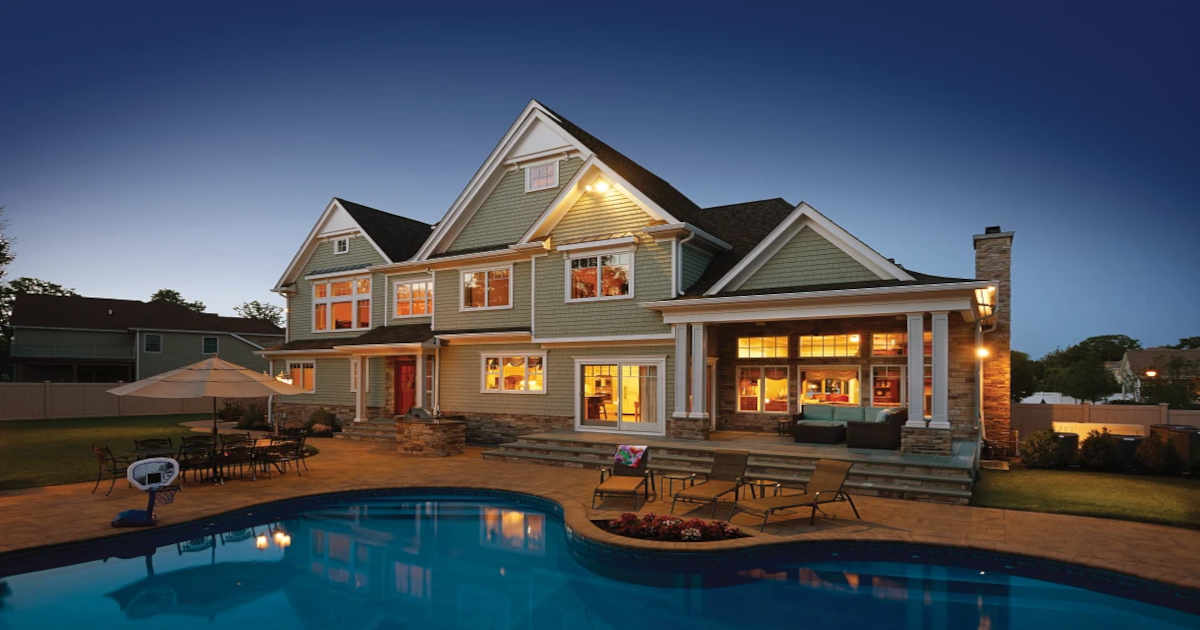
If you are building a house, shed, or completing a remodeling project, one of the most important decisions you'll make is choosing the right type of siding. Vinyl siding is one of the most popular options due to its affordability, low maintenance, and long-lasting nature. It's also easy to install and available in a wide range of styles and colors. Before you make your investment, you may have some questions. Here are some of the most frequently asked questions about vinyl siding.
1. What Materials Is Vinyl Siding Made Of?
Vinyl siding is primarily made of polyvinyl chloride (PVC), a durable plastic resin. Additives are included to improve color retention, flexibility, and resistance to UV light.
2. How Long Does Vinyl Siding Last on a Home?
Vinyl siding typically lasts 25 to 40 years. Its lifespan depends on proper installation, maintenance, and the quality of the product. Climate conditions in your area can also affect how long the siding will last.
3. Is Vinyl Siding Waterproof or Just Water-Resistant?
No vinyl siding is water-resistant, nor is it completely waterproof. It is designed to shed moisture while allowing walls to breathe when combined with proper housewrap and flashing. Although vinyl doesn't absorb water, moisture can get behind panels through seams, gaps, or damaged areas, which is why proper installation is essential.
4. How Much Maintenance Does Vinyl Siding Really Require?
Vinyl siding requires very little maintenance. It does not need painting or staining like wood, but you should address issues such as cracks or loose panels promptly. Keep landscaping trimmed to prevent scratches and trapped moisture. Generally, you only need to wash it once a year with mild soap and water to remove dirt, mold, or mildew.
(To learn how to clean vinyl siding, check out our guide.)
5. Does Vinyl Siding Fade in the Sun Over Time?
Yes, vinyl siding can fade over time from prolonged exposure to the sun's UV rays. The amount of fading depends on the quality and color of the siding. Modern vinyl siding is more UV-resistant than older versions, but fading can still occur. Lighter colors and siding with UV-resistant coatings will maintain their appearance the longest.
6. Can New Vinyl Siding Increase Your Home's Value?
Yes! High-quality vinyl siding can enhance your home's value by improving its curb appeal, increasing energy efficiency, and providing overall protection from the elements. Increased energy efficiency can also help recoup part of the installation cost. If you plan to sell your home, replacing old or damaged panels can make your home more attractive to buyers and prevent repair demands.
7. Is It Possible to Paint Vinyl Siding Safely?
Yes, vinyl siding can be painted using 100% acrylic latex paint. Choose lighter or similar colors to avoid heat absorption that can cause warping. Note that painting vinyl siding may void the manufacturer's warranty, so check your product documentation before proceeding.
8. How Energy-Efficient Is Vinyl Siding Compared to Other Options?
Standard vinyl siding provides a modest amount of insulation. For improved energy efficiency, consider insulated vinyl siding, which reduces heat transfer and can lower energy bills. However, insulated siding is more expensive than standard vinyl.
9. How Much Does Vinyl Siding Cost to Install?
The cost of vinyl siding varies by region, style, and labor rates. Homeowners can generally expect to pay $5,000 to $15,000 for a full installation. To save money, you can install the siding yourself. Check out our step-by-step guide if you're considering the DIY route.
10. What Causes Vinyl Siding to Crack, Warp, or Melt?
Yes, vinyl siding can crack or warp due to various factors, including extreme temperature changes, impact, improper installation, and age. Very cold weather can make vinyl brittle and prone to cracking. Warping or melting can occur when the siding is exposed to intense heat, such as from reflected sunlight off nearby windows or from barbecue grills placed too close.