10 Warning Signs Your Gutters Are Failing And What to Do About It
Posted by Steven Bieber on July 13, 2026
Quick Summary
Failing gutters rarely announce themselves loudly; small signs like overflow, sagging, or tiger striping usually come first. This guide walks through the 10 most common warning signs of gutter failure, what causes each one, and what to do before the damage spreads to your roof, siding, or foundation. Catching these issues early can save you thousands in repairs down the road.
Why Gutters Are Important for Your Home
Gutters play a critical role in protecting your home from water damage. They direct rainwater and snowmelt away from your foundation, helping prevent soil erosion, water saturation, and costly foundation cracks. Properly functioning gutters also reduce the risk of basement flooding, mold growth, and moisture damage.
In addition, gutters help protect your siding, exterior paint, landscaping, and roof edges from long-term water damage. When gutters fail, the damage can spread quickly throughout your home.
Recognizing failure early, and scheduling a gutter inspection at the first sign of trouble, is the easiest way to avoid a much larger repair bill.
How to Tell If Your Gutters Are Failing: 10 Warning Signs
Recognizing the early warning signs of gutter failure can help you avoid expensive repairs. If you notice any of the issues below, it may be time to repair or replace your gutter system.
1. Water Leaking Into the Basement
Water leaks or mold growth in your basement may indicate that your gutters are not directing water far enough away from your home. Poor drainage can allow water to collect around the foundation and seep inside. A sump pump or French drain may treat the symptom, but fixing the gutter and downspout drainage addresses the root cause.
2. Water Overflowing From the Gutters
During rainfall, water should flow through the gutters and out of the downspouts, not spill over the sides. Overflowing gutters are often caused by clogs, cracks, or damaged sections that prevent proper drainage.
3. Sagging or Detached Gutters
Gutters that sag or pull away from the roofline are a clear sign of wear and tear. Loose fasteners, damaged brackets, or excess debris weight can cause gutters to become uneven and ineffective.
4. Standing Water in the Gutters
Water should never sit inside your gutters for long periods. Standing water usually indicates a clog or improper slope. You may also notice weeds, grass, or moss growing inside the gutters, which can attract insects and pests.
5. Cracks, Holes, or Bent Gutters
Small cracks or holes can quickly become larger problems if left untreated. Bent or visibly damaged gutters may no longer function properly and could require repairs or full replacement.
6. Tiger Striping on Gutters or Siding
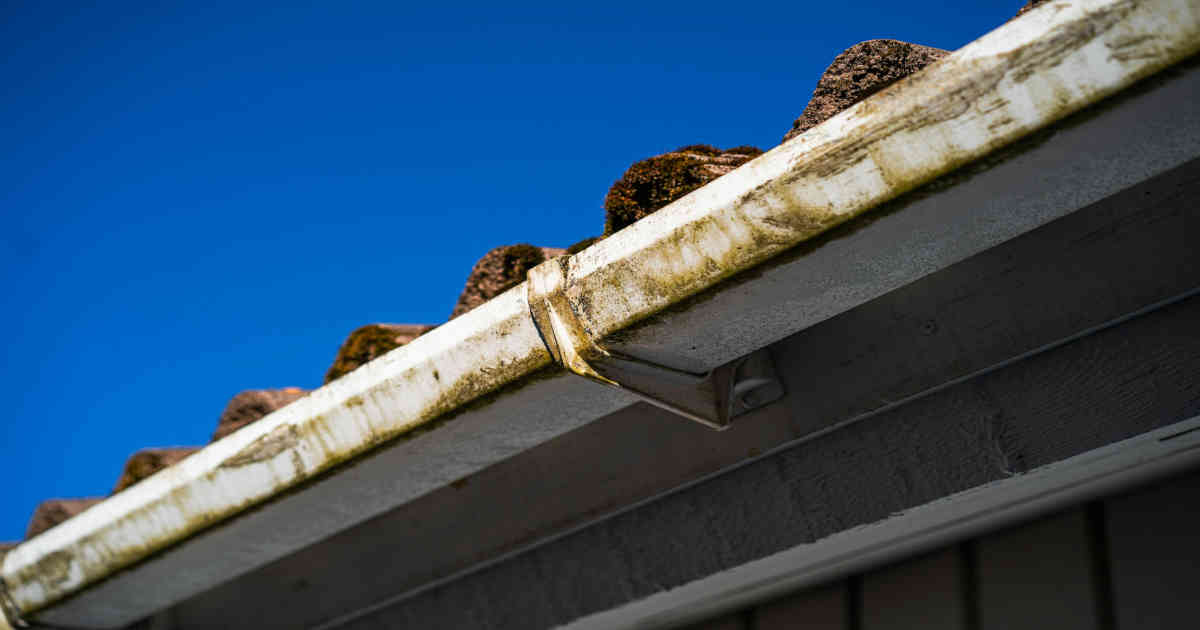
Dark vertical streaks or gray residue on the outside of your gutters, commonly called "tiger striping," can signal that water is overflowing and carrying dirt and debris down the exterior of your home.
7. Pooling Water or Mud Around the Foundation
After a rainstorm, look for puddles, mud, or excessive moisture around your home's foundation. This may indicate that water is not flowing correctly through the gutter system and is instead collecting near your home.
8. Foundation Damage or Cracks
Inspect your foundation regularly for cracks, worn areas, or signs of shifting. Faulty gutters can allow water to repeatedly collect near the foundation, leading to structural damage over time.
9. Little or No Water Coming From the Downspouts
When it rains, water should flow freely from your downspouts. If little or no water is coming out, your gutters or downspouts may be clogged or leaking before water reaches the exit point.
10. Icicles Forming on Gutters
Icicles form on gutters when heat escapes from your attic into the roof, which melts the snow. When the runoff flows down into the freezing gutters, it refreezes and forms icicles or ice dams. Clogged gutters will keep the water from draining, which is why it will spill over. You should also check the ventilation of your attic. Trapped heat in the attic is what causes the melting in the first place.
DIY Inspection vs. Professional Gutter Assessment
A basic visual inspection is something most homeowners can do safely from the ground: walk the perimeter of your home after a rainstorm and look for overflow, staining, or pooling water.
However, checking the gutters themselves, confirming proper pitch, tight fasteners, and a sound drip edge, often requires getting on a ladder or roof, which comes with real safety risks.
A professional assessment not only avoids that risk but also catches subtler issues, like a slightly miscalculated slope, that are easy to miss from ground level.
For homes with steep rooflines, multiple stories, or heavy tree cover, a professional inspection is generally the safer and more thorough choice.
What to Do When You Spot These Warning Signs
If you catch one or more of these warning signs early, start with a thorough cleaning to rule out a simple clog.
If problems continue after cleaning, the gutters may have structural issues, such as improper pitch, damaged hangers, or worn seams, that require repair or replacement.
Installing gutter guards after repairs can help prevent future clogs and extend the life of your new or repaired gutter system.
How Often Should Gutters Be Inspected?
Most homes benefit from a gutter inspection at least twice a year, in spring and fall, with an additional check after major storms. Homes with heavy tree coverage or older gutter systems may need more frequent inspections to catch small issues before they become expensive repairs.
The Cost of Waiting Too Long to Address Gutter Failure
It's tempting to put off gutter repairs, especially when the warning signs seem minor. But gutter failure rarely stays contained. A small overflow issue left unaddressed can saturate soil near the foundation, rot fascia boards, and eventually work its way into the basement or attic.
What starts as a simple cleaning or minor repair can turn into foundation work, roof decking replacement, or mold remediation if ignored for even one storm season. Addressing warning signs as soon as they appear is almost always the more affordable path.
Seasonal Gutter Care Checklist
- Spring: Clear out winter debris, check for ice-related damage, and confirm downspouts drain freely.
- Summer: Inspect after storms for sagging, leaks, or loose fasteners caused by heavy rainfall.
- Fall: Remove leaves before winter and confirm gutters are pitched correctly for cold-weather drainage.
- Winter: Watch for icicles and ice dams, and address attic ventilation issues that contribute to ice buildup.
Following a seasonal checklist makes it easier to catch the warning signs covered in this guide before they turn into costly repairs.
Don't Ignore the Signs: Schedule a Gutter Inspection Today
If you notice any of these warning signs, address the problem as soon as possible. Regularly inspect your gutters, basement, and foundation for signs of water damage or poor drainage. Catching gutter problems early can help you avoid costly repairs and protect your home from serious structural damage.
Frequently Asked Questions
What is the most common sign of gutter failure?
Overflowing water during rainfall is the most common and noticeable sign. It usually points to a clog, improper pitch, or damaged section that is preventing normal drainage through the downspouts.
Can I repair sagging gutters myself?
A confident DIYer can sometimes tighten minor sagging caused by loose fasteners, but persistent sagging often signals deeper issues that are best handled by a professional gutter service.
Is tiger striping just cosmetic?
Tiger striping is mostly cosmetic, but it signals ongoing overflow, so it's worth checking for clogs or pitch problems even if the staining itself doesn't require immediate repair.
When should I replace gutters instead of repairing them?
If gutters are cracked in multiple places, pulling away from the fascia, or more than 20 years old, replacement is usually more cost-effective than repeated repairs.