Tool Maintenance Guide: How to Care for Power Tools and Hand Tools
Posted by Steven Bieber on June 23, 2026
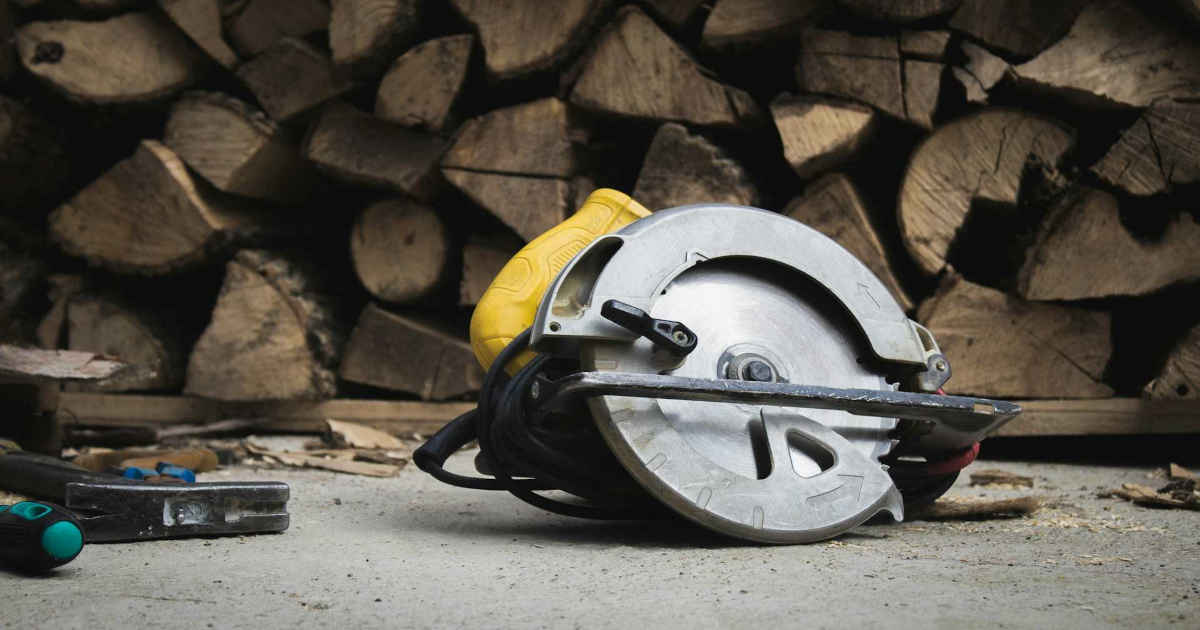
Proper tool maintenance helps extend the lifespan of both power tools and hand tools while improving safety and performance. Regular cleaning, lubrication, inspections, proper storage, and timely part replacements can prevent costly repairs and downtime.
If you are a professional contractor or a DIY enthusiast, following a consistent maintenance routine protects your investment and ensures your tools remain reliable for every project.
Why Tool Maintenance Matters
Whether you are a professional contractor or a DIY enthusiast, you are only as good as your tools. Investing in quality tools is important, but maintaining them properly is equally essential. Regular tool maintenance helps prevent breakdowns, improves safety, and ensures optimal performance when you need it most.
Power tools and hand tools are exposed to dirt, moisture, debris, and daily wear. Without proper care, even the highest-quality equipment can deteriorate prematurely. This guide covers practical maintenance tips to help extend the life of your tools and keep them operating efficiently.
Store Tools Properly to Prevent Damage
One of the most important aspects of tool maintenance is proper storage. Always keep your tools in a clean, dry, and climate-controlled environment whenever possible.
Moisture is one of the leading causes of tool damage. Excess humidity can cause rust to form on metal components and may lead to corrosion in electrical systems. Power tools are especially vulnerable because moisture can damage wiring, motors, and battery connections.
Whenever possible:
- Store power tools in their original carrying cases.
- Use tool chests or storage cabinets to reduce dust exposure.
- Keep tools off concrete floors where moisture can accumulate.
- Consider adding moisture absorbers in storage areas.
Proper storage helps protect your investment and reduces the likelihood of unexpected repairs.
Inspect Your Tools Regularly for Safety and Performance
Routine inspections allow you to identify problems before they become costly or dangerous.
For power tools, examine:
- Power cords for fraying or exposed wires.
- Battery terminals for dirt or corrosion.
- Switches and triggers for proper operation.
- Safety guards and protective features.
For hand tools, inspect:
- Handles for cracks or looseness.
- Metal surfaces for rust or corrosion.
- Fasteners and joints for wear.
If you notice unusual vibrations, strange noises, overheating, or burning smells while using a power tool, stop using it immediately and investigate the issue before continuing.
Clean Power Tools and Hand Tools After Every Use
Although it may seem time-consuming, cleaning your tools after each use is essential. For power tools, this usually involves wiping away dust and debris from the exterior, though cleaning methods may vary depending on the tool. For hand tools, use a mild degreasing soap and water with a non-abrasive cloth or sponge. If your tools become heavily soiled or show signs of rust, using a rust remover can help restore them.
Lubricate Moving Parts to Reduce Wear
Many power tools and hand tools contain moving parts that require regular lubrication to function efficiently.
Without proper lubrication, friction increases, causing components to wear faster and potentially fail prematurely. Applying the appropriate lubricant helps reduce strain on moving parts and improves overall performance.
Always consult the manufacturer's recommendations before applying lubricants. Using the wrong product may damage sensitive components.
For maintenance supplies, browse our selection of tool oils and lubricants.
Sharpen Blades, Bits, and Cutting Edges Regularly
Sharp cutting tools perform better, produce cleaner results, and improve job site safety.
Over time, drill bits, saw blades, chisels, and other cutting accessories naturally become dull. Dull tools require more force to operate, increasing the risk of slips, mistakes, and injury.
Keeping blades and bits sharp offers several benefits:
- Improved cutting efficiency.
- Reduced motor strain.
- Longer battery life.
- Cleaner, more accurate results.
- Enhanced safety during operation.
Investing in sharpening equipment can significantly improve the performance and lifespan of your tools.
Replace Worn or Damaged Parts Promptly
Replacing worn or broken parts is significantly more cost-effective than replacing the entire tool. If you notice that a component of your tool is worn out or failing, address it promptly. Common replaceable parts include handles, belts, and worn brushes. Timely repairs help maintain both safety and performance.
Allow Tools to Cool Before Storage
Power tools generate heat during operation, especially when used for demanding tasks over extended periods.
Storing a tool immediately after heavy use may trap heat and place unnecessary stress on internal components. Allowing tools to cool before packing them away helps preserve motors, batteries, and electronic systems.
It is also important to avoid pushing tools beyond their intended capacity. Overloading equipment can shorten its lifespan and increase repair costs.
Protect Tool Batteries for Longer Lifespan
Many modern power tools rely on rechargeable batteries. Proper battery care can significantly impact overall tool performance.
To maximize battery life:
- Store batteries in moderate temperatures.
- Avoid complete discharge whenever possible.
- Keep battery contacts clean.
- Follow the manufacturer's charging recommendations.
- Remove batteries from tools during long-term storage.
Proper battery maintenance can improve runtime and extend replacement intervals.
Invest in High-Quality Tools for Long-Term Value
One of the best ways to simplify maintenance is to purchase quality tools from reputable manufacturers.
While lower-cost tools may seem appealing initially, they often wear out more quickly and require more frequent repairs or replacement. High-quality tools are typically built with better materials, offer improved durability, and often come with stronger warranty coverage.
Choosing reliable tools can reduce maintenance demands and provide better long-term value.
Maintain Your Tools to Protect Your Investment
Your tools are essential assets that help you complete projects efficiently and safely. Whether you rely on professional-grade power tools or a collection of trusted hand tools, proper maintenance is key to maximizing their lifespan.
By following a routine that includes proper storage, regular inspections, thorough cleaning, lubrication, sharpening, and timely repairs, you can keep your equipment operating at peak performance for years to come. A small investment of time in maintenance today can help you avoid costly replacements and downtime in the future.
FAQs
How often should I clean my tools?
Tools should be cleaned after each use to prevent dirt, debris, and moisture buildup.
Why is tool lubrication important?
Lubrication reduces friction, minimizes wear, and helps moving parts operate more efficiently.
What is the best way to store power tools?
Store power tools in a clean, dry, climate-controlled area, preferably in their original cases.
When should I replace tool parts?
Replace parts as soon as they show signs of wear, damage, or reduced performance.
How can I prevent rust on hand tools?
Keep tools clean, dry them thoroughly after use, and store them in a low-moisture environment.