Rolled Roofing vs. Shingles: Which Roofing Option Is Best for Your Home?
Posted by Steven on December 15, 2025
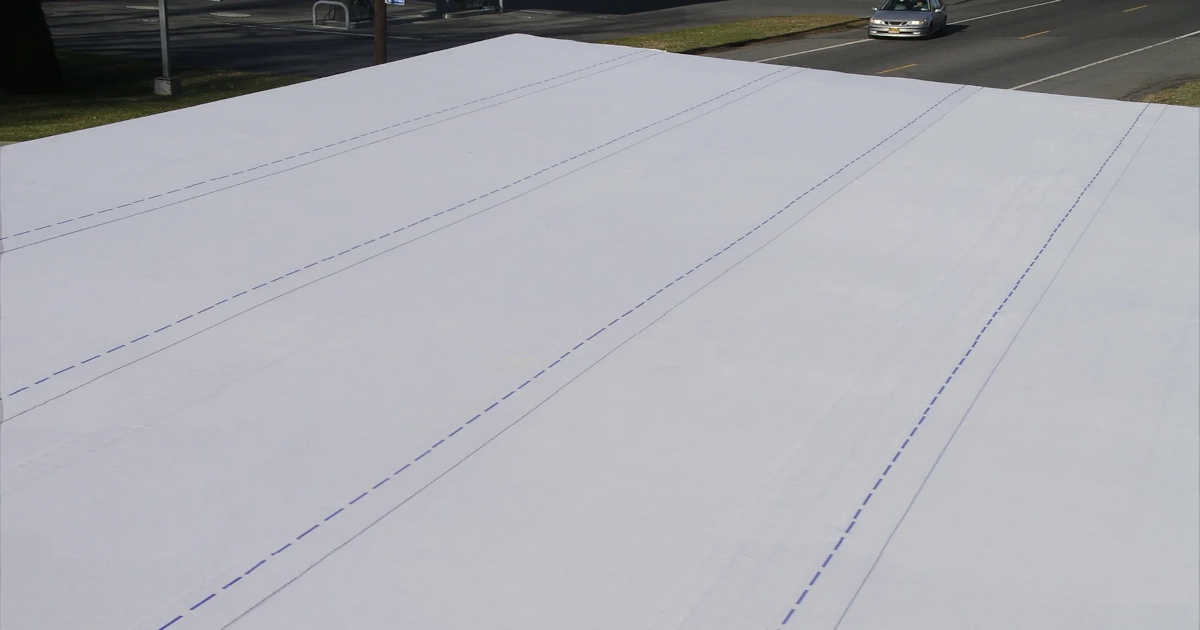
Building a home, commercial building, or something smaller like a gazebo, shed, or garage comes with several challenging decisions to make. One of the most important choices is the roof. You will need to decide what type of roof you want to install. Two common choices are shingles and rolled roofing. This guide will walk you through both options to help you make the best decision for your project.
Understanding Rolled Roofing: A Budget-Friendly Roofing Solution?
Rolled roofing is a type of roofing sold in various sizes of rolls. The material is often similar to that of asphalt shingles. Its rolled form makes it easier to install. It is designed for roofs with a minimum slope or for small structures. Rolled roofing is installed with nails or adhesive.
Types of Rolled Roofing Materials Explained
There are several types of rolled roofing. Here is an overview of the most common:
- Asphalt Rolled Roofing – This is a granular-surface asphalt product that is similar to asphalt shingles but thinner and in roll format.
- Modified Bitumen (Mod-Bit) Roofing – This rolled roofing blends asphalt with polymers for increased resilience, flexibility, and weather resistance.
- Rubber Rolled Roofing – This material is durable and pliable due to its composition of tires and other rubber components.
- EPDM Roll Roofing – This is a synthetic rubber material known for its resistance to weather conditions and longevity.
Pros and Cons of Rolled Roofing
Rolled roofing can offer a plethora of advantages, but it also has some drawbacks.
Advantages of Rolled Roofing for Low-Slope Roofs
One of the biggest advantages of rolled roofing is its cost-effectiveness. It is great for those on a tight budget because it is cheaper than shingles, metal, or tiles. It can also be installed cheaply and easily with basic tools.
Rolled roofing is lightweight, which means it does not add much stress to the underlying structure. This makes it suitable for small structures that cannot support heavy materials. Due to its versatility, it can be used in a variety of applications.
Disadvantages of Rolled Roofing to Consider
While inexpensive and easy to install, rolled roofing lacks durability, with a short lifespan of 5 to 8 years. Its lack of durability makes it more susceptible to damage from extreme weather like hail, rain, and high winds. Because of its plain appearance and limited color choices, it lacks the visual appeal of other roofing options. It is also less waterproof than many other roofing materials.
Best Uses for Rolled Roofing
Rolled roofing is ideal for sheds, garages, barns, and other non-residential buildings where cost savings are a priority, as it is significantly less expensive than shingles. It works best on roofs with a low pitch. Its simplicity and lightweight nature make it a great choice for DIY installation.
What Are Roofing Shingles? A Popular Choice for Residential Roofs

Roofing shingles are overlapping rectangular pieces of material that form a barrier on a roof. They protect the house from the elements by shedding water and debris. Shingles are most commonly made of asphalt, but they can also be made of wood, metal, slate, or composite materials.
Different Types of Roofing Shingles and Their Benefits
- Asphalt Shingles – The most common type in the U.S., these are made with a fiberglass mat coated in asphalt, minerals, and granules for protection.
- Wood Shingles – Usually made from cedar or redwood to provide a rustic look. They are less fire-resistant than other materials.
- Metal Shingles – Metal is durable and fire-resistant; it can emulate the look of traditional shingles while offering high performance.
- Composite/Synthetic Shingles – Made from a blend of materials, including asphalt and polymers, these provide durability and longevity.
- Slate Shingles – A durable, natural option that has been used for centuries, known for its resistance to rot and fire.
Pros and Cons of Roofing Shingles
Pros of Asphalt and Other Roofing Shingles
As far as roofing options go, shingles are considered a budget-friendly choice. They are more expensive than rolled roofing but cheaper than most other roofing materials. Shingles are relatively easy to install and offer a range of colors and styles, allowing for customization and curb appeal. While they require maintenance, it is generally simpler than with other roofing materials.
Cons of Shingle Roofing Compared to Other Roofing Materials
While shingles have a longer lifespan than rolled roofing, they typically last about 15–20 years, depending on quality and climate. This is shorter than materials like metal or tile. Shingles are vulnerable to extreme weather conditions, which can cause them to lift, crack, or loosen. Some shingles do not offer the best insulation, which can lead to heat absorption and higher energy costs. They require maintenance to prevent moss, mildew, and granule loss. Shingles are also not considered environmentally friendly.
When to Choose Roofing Shingles Over Rolled Roofing
Homeowners prefer shingles over rolled roofing because of their durability, aesthetic appeal, and the variety of styles and colors available. Shingles have a much longer lifespan and better resistance to cracking from temperature fluctuations. They also have a heavier weight than rolled roofing, which helps them stay secure during severe weather conditions. Use shingles for residential pitched roofs where appearance is important.