Top Roof Vent Types to Improve Attic Ventilation and Keep Your Home Cool
Posted by Steven on January 15, 2026
Why Proper Attic Ventilation Is Essential for Your Roof's Health
Without proper ventilation, your attic can accumulate excess heat and moisture. This can shorten the lifespan of your roof, increase energy costs, and cause structural damage, such as mold and rot. Proper ventilation ensures continuous airflow, removing warm, moist air in the summer and reducing moisture buildup in the winter while allowing cooler, fresh air to enter.
How to Calculate How Many Roof Vents You Need
Typically, you need one square foot of ventilation for every 150 to 300 square feet of attic space, with half of that area dedicated to intake vents (such as soffit vents) and the other half to exhaust vents (such as ridge vents).
To calculate:
- Measure your attic’s length and width.
- Multiply them to find the total square footage.
- Divide the total by 150 or 300 to determine the number of square feet of ventilation you need.
Common Types of Roof Vents for Efficient Airflow
There are several types of roof vents designed to ventilate your attic properly. The best option depends on your roof design, climate, and personal preferences. Below is an overview of the most common types.
Best Intake Roof Vents for Fresh Airflow
Intake vents draw in fresh outdoor air, replacing the warm air expelled through exhaust vents. This helps maintain balanced airflow throughout the attic. They are usually installed under the eaves of the roof and work with exhaust vents to improve efficiency and reduce energy costs. There are two main types of intake vents:
Soffit Vents
Soffit vents are the most common type of intake vent. Installed on the underside of the roof overhang (soffit), they are effective, discreet, and provide excellent protection against the elements.
Roof Intake Vents
Roof intake vents are installed directly on the roof's surface, usually near the lower slopes, to allow fresh, cool air into the attic. They are ideal for homes without soffits or exposed rafters and blend seamlessly into the roofline due to their low profile.
Top Exhaust Roof Vents to Remove Heat and Moisture
Exhaust vents are installed near or at the peak of the roof and allow hot, moist air to escape. Working together with intake vents, they create a balanced system that removes moisture in the winter and cools the attic in the summer. Common types include:
Ridge Vents
Ridge vents are installed along the peak of a sloped roof. A narrow slit is cut along the ridge and covered with a baffle and cap shingles to prevent water intrusion. This design allows air to escape while protecting against wind and rain.
Static Roof Vents (Box or Louver Vents)
Static roof vents, also known as roof louvers, are stationary vents installed evenly across the roof near the ridge. They help remove heat and moisture, prevent ice dams, and extend the roof's lifespan. Other names include slant-backs, box vents, turtle vents, half-rounds, off-ridge vents, and dormer vents.
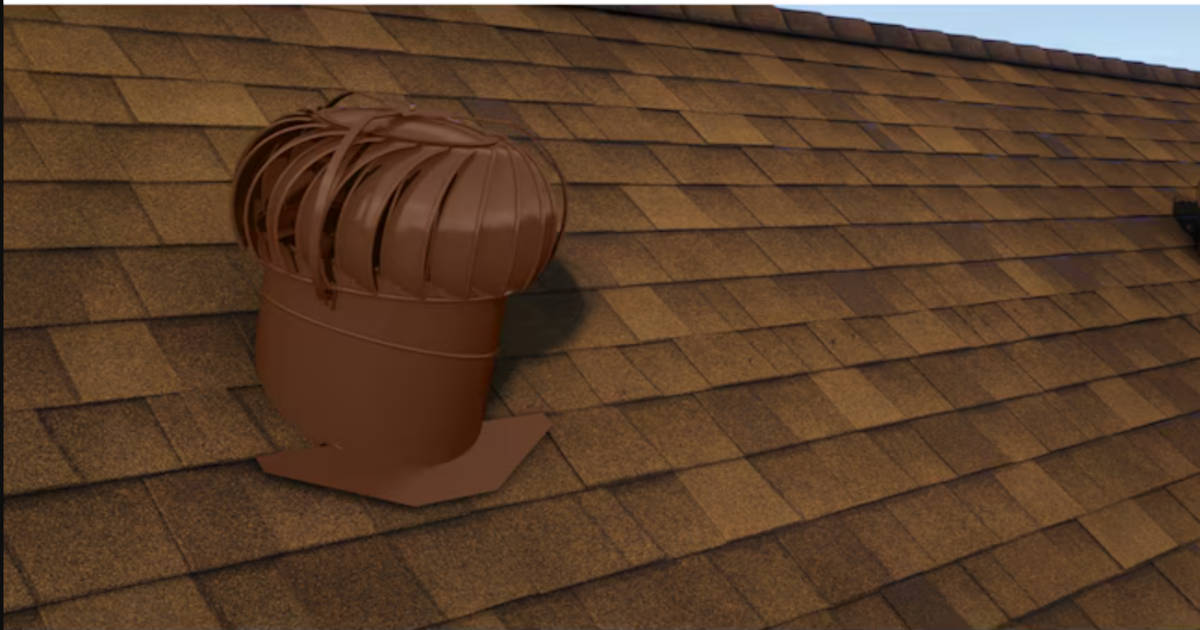
Roof Turbine Vents (Whirlybirds)
Roof turbines (also known as whirlybirds) are wind-powered vents that spin to create a vacuum effect, pulling hot air out of the attic. They're a great, energy-free option for improving ventilation year-round.
Attic Fans
Attic fans are installed inside the attic and can be turned on or off as needed. They draw hot air out of the attic while pulling cooler air in through intake vents. Modern attic fans can be electric, solar, or wind-powered, and often feature thermostats that automatically activate when temperatures rise too high.
Powered Roof Vents
Powered roof vents work similarly to attic fans but are mounted on the roof itself. They use electricity or solar power to actively pull hot air out of the attic. When installed correctly, ensuring they draw air from outside intake vents instead of the conditioned living space, powered vents can significantly improve efficiency and reduce cooling costs.
Gable Vents
Gable vents are installed in the triangular end walls of a gabled roof. They can function as both intake and exhaust vents, allowing fresh air to enter through one side while pushing hot, stale air out the other. For best results, gable vents should be installed on opposite ends of the attic to create a cross-breeze effect.
Important: Never mix different types of exhaust vents (like ridge vents with box vents or turbines) on the same roof with a common attic because it creates "short-circuiting," making the system inefficient, potentially pulling in rain/snow/debris, and failing to properly ventilate the attic, leading to moisture issues and roof damage.
Which Roofing Vent is Best for Me?
Several factors determine which vent is best for your home. You need to consider your climate, roof design, and budget. For example, gable vents are the cheapest option, but are heavily reliant on the wind, while powered vents are more efficient and reliable but cost more. Ridge vents and soffit vents provide the most balanced, maintenance-free airflow. Your system must have a balanced amount of intake and exhaust ventilation. Regardless of the type, your system must maintain a balanced ratio of intake and exhaust ventilation.
If you're unsure which vent is right for your home, it's best to consult a roofing professional.