Ladder Hoist FAQs: What Should You Know Before Buying One?
Posted by Steven on December 09, 2025
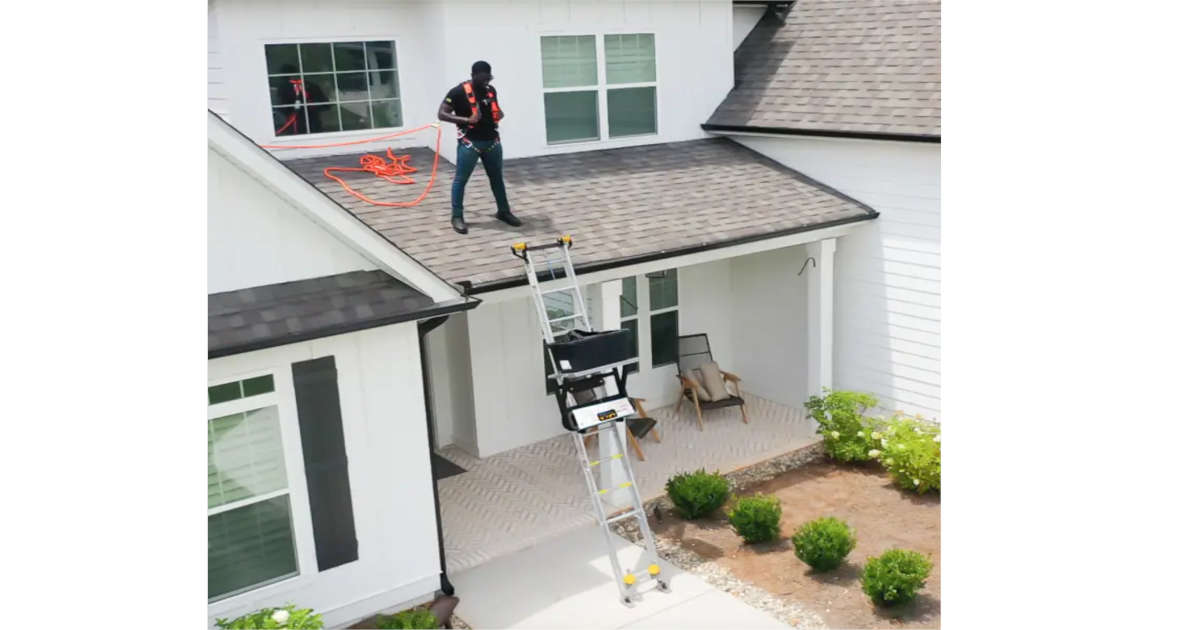
Before you're ready to commit to purchasing a ladder hoist, you likely have important questions that need answers. Don't worry! At Home Improvement Supply, we have the answers. Here are some of the most frequently asked questions about ladder hoists.
What is a ladder hoist used for?
The most common uses of a ladder hoist are in construction and roofing to move heavy supplies from the ground to a raised area. Typical materials transported using a ladder hoist include roofing shingles, plywood, rolled goods, tiles, solar panels, tools, various equipment, and debris.
What are the different types of ladder hoists?
There are two main types of ladder hoists available:
Electric Ladder Hoists:
These are ideal for indoor use or environments where quieter operation is needed. They emit no fumes and are compatible with standard 110V household outlets or generators. Battery-operated models with remote controls are also available.
Gas-Powered Ladder Hoists:
Our gas-powered ladder hoists feature Lifan or Honda motors. They are best suited for large jobs or remote sites without access to electricity. These units are typically more powerful than electric versions but are also heavier and louder.
How much weight can a ladder hoist lift?
Most of our ladder hoists have a weight capacity between 200 and 400 pounds. We also offer an electric model capable of lifting up to 500 pounds. Weight capacities are typically listed in the product title on our site.
What is the maximum height a ladder hoist can reach?
The standard height for most ladder lifts is 28 feet. If you need more reach, many brands offer ladder extensions that can increase the maximum height to 44 feet or more.
Can a single person operate a ladder hoist?
Generally, it is safer to have a second person assist, especially during the loading and unloading of materials at both the top and bottom of the hoist.
Can a ladder hoist be used on any roof?
Most ladder hoists are designed for pitched, straight-edge roofs. Complex rooflines, dormers, or other obstacles may require specialized equipment or a different setup.
How do I operate a ladder hoist safely?
- Set up on level ground: Place the hoist base on a firm, level, non-slippery surface. Use ladder levelers or build up the surface if the terrain is uneven.
- Secure the top: Always secure the top section of the hoist to the roof with hooks or tie-downs to prevent shifting, especially in windy conditions.
- Train your team: Ensure all operators are properly trained in setup, operation, and shutdown procedures.
- Respect weight limits: Never exceed the hoist's maximum weight capacity. Overloading can cause mechanical failure or injury.
- Keep clear of the load: Never stand directly beneath the moving carriage or platform. Maintain a clear drop zone to ensure worker safety.
- Regular inspections: Check for worn cables, cracked welds, and loose fasteners before each use.
- Gas-powered: Check oil and fuel levels before use. Always follow the manufacturer’s startup procedures.
- Electric: Ensure the correct voltage is available. Disconnect the power when the hoist is not in use.
- Battery-powered: Charge the batteries beforehand. Make sure they are fully charged for the job. Our TranzVolt ladder hoist, for example, can run for a full 8 hours on one charge.
How do I maintain my ladder hoist?
- Inspect regularly: Perform routine checks, lubricate moving parts, tighten all fasteners, and check for any damaged components.
- Proper storage: Store the ladder hoist in a dry, covered area when not in use to protect it from the elements.
- Clean equipment: Keep tracks, cables, and wheels free of dirt and debris to ensure smooth operation.
What should I consider when buying a hoist?
- Power source: Choose between gas, electric, or battery-powered models based on your project's size and available power sources.
- Lifting capacity: Make sure the hoist can handle the typical weight of your materials without exceeding its rated capacity.
- Lifting speed: Hoists vary in speed. If efficiency is a priority, compare lifting speeds measured in feet per minute (fpm) across different models.
- Control options: Consider whether the hoist offers foot pedals, wired remotes, or wireless remotes, which affect convenience and operator proximity.
Please note: To ensure proper use of the ladder hoist, it’s best to consult the user manual before operating it.
Still Have Questions?
If you need more information or want help selecting the ladder hoist, reach out to us!
Email: info@HomeImprovementSupply.com
Call: 1.800.453.0349