How Summer Weather and Storms Can Damage Your Gutters and How Gutter Guards Help
Posted by Steven Bieber on September 21, 2026
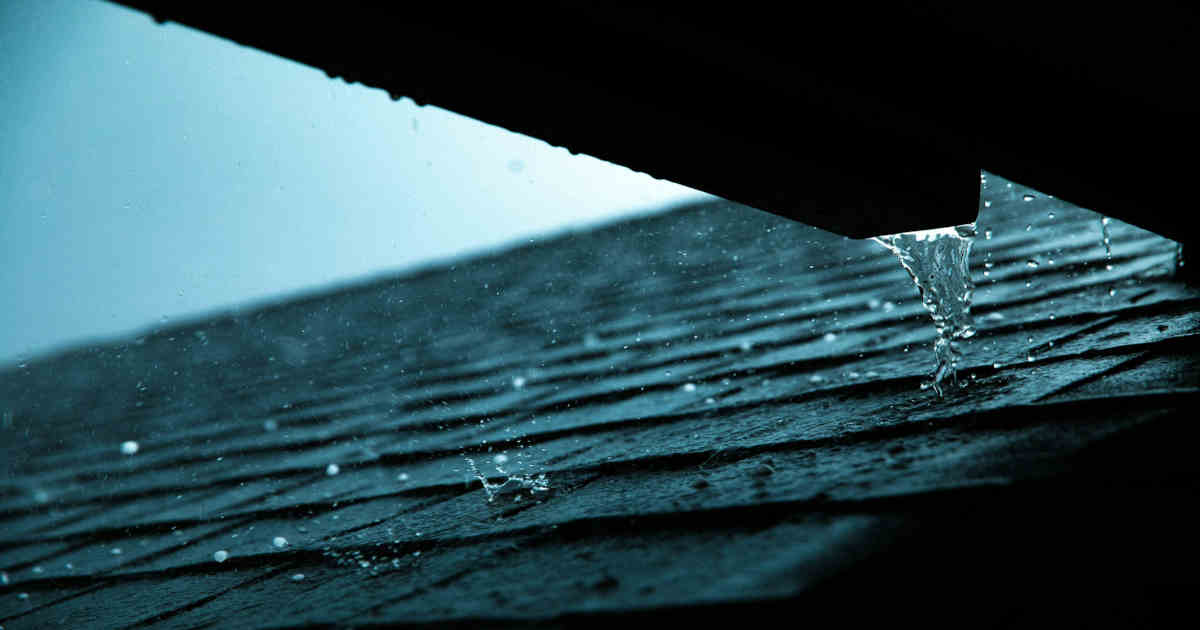
While many people enjoy the warm weather and sunshine that come with summer, your home may not. Along with pleasant days, summer also brings extreme heat, heavy rain, thunderstorms, high winds, and hail.
These weather conditions can be tough on your gutter system. Here's how summer weather affects your gutters and why gutter guards can help protect them.
How Extreme Summer Heat Damages Gutters
Extreme summer heat causes gutter materials to expand and contract. As temperatures rise during the day and cool at night, repeated expansion and contraction place stress on seams, fasteners, brackets, and sealant. Seams can loosen, sealants can deteriorate, fasteners may work themselves loose, and older gutter materials can become brittle.
As the summer progresses, small leaks often become more noticeable after rainfall. While the damage may not be immediately visible, older or poorly installed gutter systems are especially vulnerable.
How Heat Affects Gutter Guards
Extreme heat can also affect gutter guards in several ways. It can break down foam inserts, warp lightweight plastic screens, cause poorly secured guards to shift out of position, dry out debris until it hardens on top of the guard, and expose weak attachment points that increase the risk of failure.
When you buy gutter guards, make sure they are designed to withstand long-term outdoor exposure and the climate in your area.
Why Gutters Overflow During Heavy Summer Rain
Heavy rain often reveals problems with your gutter system. The most common cause of overflowing gutters is leaves or other debris blocking the flow of water through the gutters or downspouts. Other debris may include dirt, roof grit, and asphalt shingle granules.
Structural issues can also contribute to overflowing gutters. Common problems include improper gutter pitch, sagging sections, or too few downspouts. Overflow may also indicate that your gutters are too small to handle the size of your roof or the amount of rainfall common in your region.
How Debris Turns Into Gutter Sludge
Leaves and sticks are the most common debris found in gutters, but they are not the only materials that accumulate.
Common types of fine debris include:
- Dirt and dust
- Pollen
- Fine organic particles
- Asphalt shingle granules
- Roof grit
- Decomposed leaves
- Small seed pods
When these materials mix with water and remain in your gutters, they form a thick sludge that settles in low spots and around downspout openings. This buildup restricts water flow and increases the risk of clogs and overflowing gutters.
How Humidity Affects Your Gutters
High humidity causes debris to stay wet longer after rainfall. Damp leaves, dirt, and organic material stick together, making them much harder to wash away naturally. The additional weight places extra stress on your gutters and can contribute to sagging over time. Moist conditions also create an ideal environment for algae, mold, and mildew to grow inside and around your gutter system.
Why Summer Storms Are Hard on Gutters
Summer storms can dump a large amount of rain in a short period of time, putting your gutters under significant stress. Strong winds also blow leaves, pine needles, twigs, and roof grit into your gutters while potentially loosening or damaging the gutters themselves.
When gutters overflow during a storm, the consequences can include basement flooding, water backing up beneath roof shingles, rotting fascia boards, foundation problems, and landscape erosion. Keeping gutters clear is essential to directing water safely away from your home.
How Gutter Guards Protect Gutters During Summer
Gutter guards help keep leaves, sticks, and other debris out of your gutters, reducing the need for frequent cleaning before and after storms. With less debris blocking the system, water flows more efficiently through the gutters and downspouts, reducing the likelihood of overflow.
Because less debris accumulates, gutters also carry less unnecessary weight, reducing stress on brackets and fasteners. This can help extend the lifespan of your gutter system while protecting your landscaping, roof, foundation, and basement from water damage.
Protect Your Gutters With Home Improvement Supply
Summer weather can be surprisingly hard on your gutters. Extreme heat weakens components, humidity keeps debris wet and compacted, and powerful storms can overwhelm or damage your system fast.
At Home Improvement Supply, we carry perforated, mesh, and solid panel gutter guards built to reduce debris buildup and keep water flowing, even in the toughest summer weather. Pair that with regular inspections and the right gutter hardware, and your system is set up to perform reliably for years to come.
Frequently Asked Questions About Summer Weather and Gutters
1. Can hot weather damage gutters?
Yes. Extreme summer heat causes gutters to expand and contract as temperatures change throughout the day. Over time, this movement can loosen fasteners, weaken sealants, stress seams, and increase the risk of leaks, especially in older gutter systems.
2. Why do gutters overflow during heavy summer rain?
Gutters usually overflow because leaves, dirt, roof grit, and other debris block the flow of water. Overflow can also occur if the gutters are improperly pitched, sagging, have too few downspouts, or are too small to handle the amount of rainfall.
3. Does humidity affect gutters?
Yes. High humidity keeps debris damp for longer, causing it to stick together and form sludge that restricts water flow. Moist conditions also encourage the growth of algae, mold, and mildew inside and around the gutter system.
4. How do summer storms damage gutters?
Strong summer storms can fill gutters with leaves, twigs, pine needles, and roof granules, while heavy winds may loosen or damage the gutters themselves. Overflowing gutters can lead to foundation damage, basement flooding, fascia rot, roof leaks, and landscape erosion.
5. Are gutter guards worth installing before summer?
Yes. Quality gutter guards help keep debris out while allowing rainwater to flow freely through the gutter system. They reduce the need for frequent cleaning, minimize the risk of clogs and overflow, and help extend the life of your gutters during the summer storm season.