How PrimeAlux Fencing Can Help with California Zone 0 Compliance
Posted by Steven Bieber on October 26, 2026
Quick Summary
California's Zone 0 is the 0-to-5-foot area immediately surrounding certain structures and is intended to create an ember-resistant, noncombustible space in areas subject to applicable wildfire regulations. Homeowners may need to remove or replace combustible vegetation, mulch, debris, storage materials, and other ignition sources within this area, including certain combustible fencing near structures. PrimeAlux aluminum privacy fencing provides a noncombustible alternative to traditional wood fencing and may be considered when modifying a fence near a home. Because Zone 0 requirements depend on applicable state and local regulations and property circumstances, homeowners should verify the current requirements that apply to their property before making changes.What Is the California Zone 0 Ember-Resistant Zone?
California has introduced new wildfire-safety requirements establishing an Ember-Resistant Zone, commonly called Zone 0, extending 0 to 5 feet horizontally from certain structures, including qualifying residential structures and associated features covered by the applicable regulations.
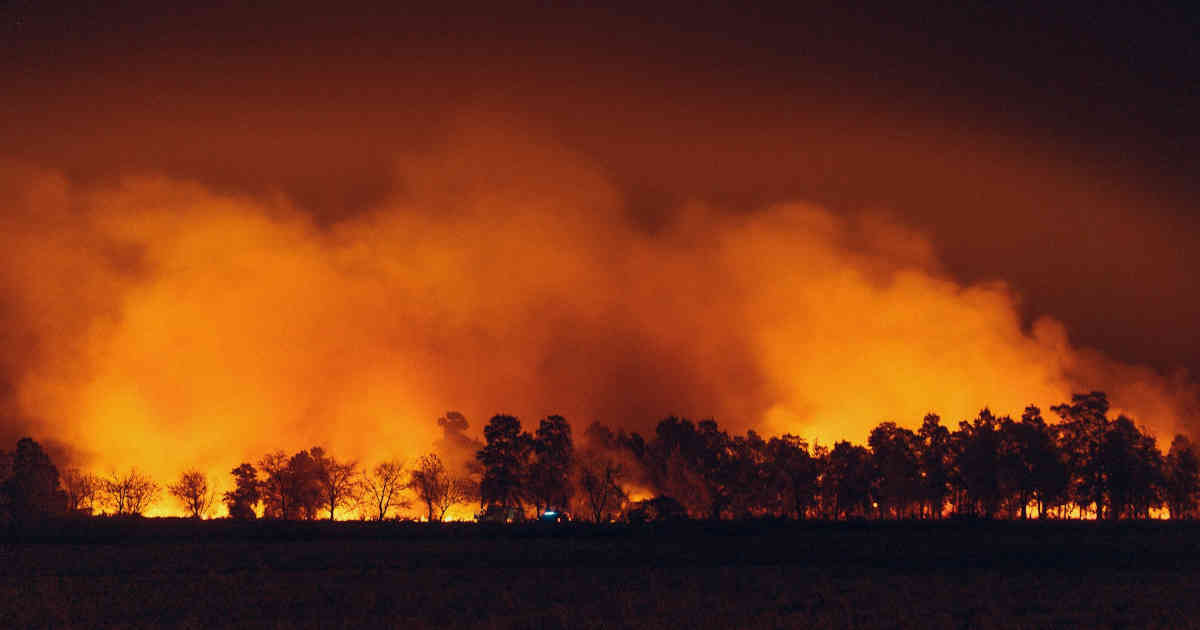
The purpose of Zone 0 is to create noncombustible or ember-resistant buffer zones. During wildfires, wind-driven embers can travel significant distances and accumulate against structures, vegetation, decks, fences, and other combustible materials. Removing or replacing combustible materials within the first five feet of a structure can help reduce potential ignition sources close to the building.
The Zone 0 requirements stem from Assembly Bill 3074, which was signed into law in 2020 as an amendment to California Public Resources Code Section 4291. The legislation established requirements for a 0-to-5-foot ember-resistant zone around qualifying structures.
California's wildfire regulations address multiple defensible-space zones. This article focuses specifically on Zone 0 and what property owners need to know about the 0-to-5-foot ember-resistant area.
Who Must Comply with California Zone 0 Requirements?
Zone 0 requirements do not apply uniformly to every property in California. The law applies to qualifying properties located within a State Responsibility Area (SRA) or a Very High Fire Hazard Severity Zone (VHFHSZ). The requirements are expected to affect nearly 2 million homes in California's high-fire-risk areas.
The requirements already apply to new buildings, while enforcement for existing homes will begin on February 28, 2027, as part of a phased three-year compliance schedule. The compliance period for existing homes will continue through February 28, 2029.
Property owners should verify whether their property is located within an applicable fire hazard area and determine which Zone 0 requirements apply to their home.
You can search your address to determine whether your property is located in an area subject to California's defensible-space requirements here.
California Zone 0 Requirements: What Property Owners Need to Do
To comply with Zone 0 requirements, property owners may need to remove, modify, or replace combustible materials located within five feet of qualifying structures.
The following provides a general overview of common Zone 0 requirements. It is not a complete list of legal requirements, and property owners should consult the current California requirements and their local fire authority for the rules applicable to their property.
1. Remove Combustible Debris and Maintain the Zone
Leaves and Vegetative Debris:
Keep gutters, decks, and the ground within the Zone 0 area clear of dead leaves, pine needles, dry grass, and other combustible vegetative debris.
Mulch and Ground Cover:
Combustible mulch, bark, and shredded wood may need to be removed from the area immediately surrounding the structure. Where required, consider noncombustible materials such as gravel, stone, pavers, concrete, or bare earth.
The goal is to reduce combustible material that could catch embers near the structure. California fire-safety guidance identifies Zone 0 as the most critical area for limiting nearby combustible items and vegetation.
2. Move Combustible Storage Away from the Home
Firewood and Other Combustible Materials:
Firewood, lumber piles, cardboard, wood planters, window boxes, and similar combustible materials should be kept outside the Zone 0 area where prohibited by the applicable requirements.
Trash and Recycling Containers:
Trash and recycling containers may need to be stored away from the structure and, during certain fire-weather conditions, inside a garage or other approved location.
Boats, RVs, Trailers, and Under-Deck Storage:
Combustible recreational equipment and stored materials should not be kept beneath attached decks, balconies, or stairs where prohibited by the applicable requirements.
Decks:
Certain decks and elevated structures may require noncombustible mesh or other measures to prevent combustible debris from accumulating underneath them. Check the applicable requirements for your specific deck.
3. Manage Landscaping and Plants Within Zone 0
In-Ground and Potted Plants:
Plants located within Zone 0 may be subject to specific requirements regarding species, irrigation, maintenance, placement, and container materials.
Property owners should maintain vegetation in a healthy, irrigated condition and follow applicable clearance requirements around windows, doors, walls, decks, and other building features.
Lawns and Turf:
Grass and other vegetation must be properly maintained. Artificial turf and landscaping materials may also be subject to specific clearance requirements around structures.
Trees Within Zone 0:
Existing trees may be permitted under certain circumstances if they are healthy and properly maintained. Dead branches should be removed, and branches and foliage should not contact the structure.
New trees should be planted with sufficient separation to ensure that the mature canopy does not create an unacceptable fire exposure to combustible structures.
Current California guidance emphasizes vegetation management and the reduction or modification of combustible materials as part of defensible-space planning.
4. Address Fences, Gates, and Nearby Structures
Attached Combustible Fences and Gates:
One of the most important considerations for homeowners is a combustible fence that connects directly to the house.
Where the applicable requirements call for a noncombustible or ignition-resistant transition, the section of a combustible fence or gate immediately adjacent to the structure may need to be replaced or modified. The exact requirement depends on the property's location, structure, and applicable code or regulation.
Detached Structures and Outbuildings:
Pergolas, gazebos, sheds, and other structures located near the home may also be subject to requirements concerning combustible and ignition-resistant materials.
Important: This article provides a general overview of California Zone 0 requirements and is not a substitute for the applicable regulations, local fire-code requirements, or professional guidance. California's Office of the State Fire Marshal maintains current wildfire and fire-safety resources, while local authorities may have additional requirements.
For complete requirements, please read the full guidelines available on the City of San Diego webpage.
Noncombustible Fencing for California Zone 0 Compliance
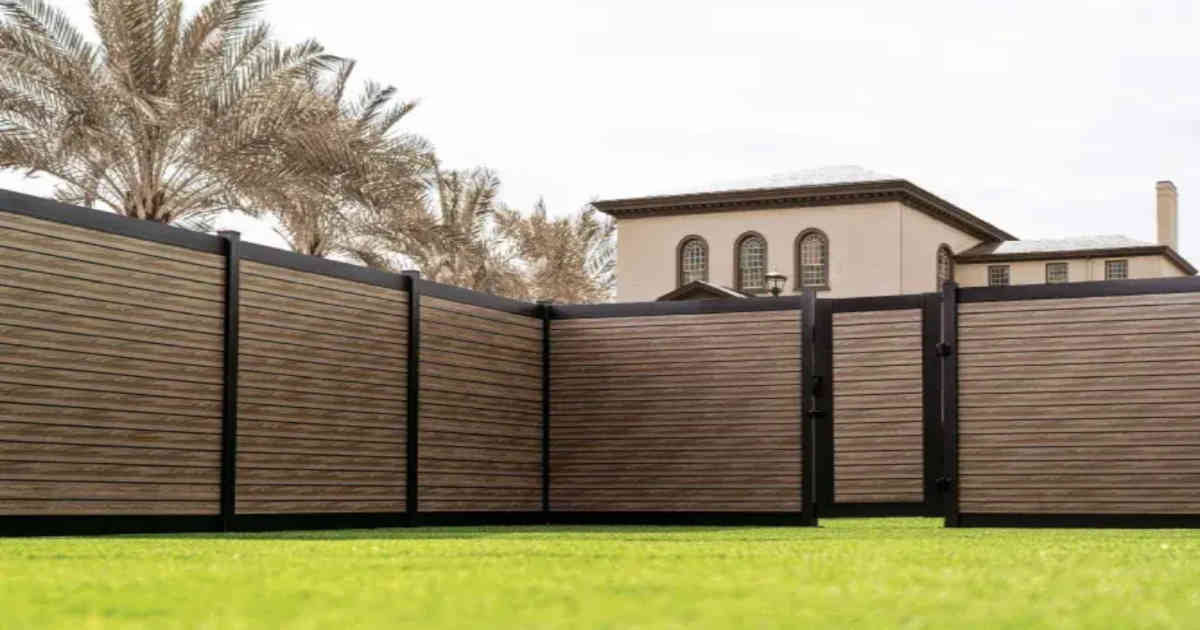
For homeowners who have a combustible fence attached to or located immediately next to their home, replacing the applicable section with a noncombustible fencing material may be one option to consider when the applicable requirements call for a noncombustible material.
PrimeAlux aluminum privacy fencing offers a noncombustible alternative to traditional wood fencing.
Because aluminum does not burn like wood, an aluminum fence can help reduce the amount of combustible material immediately surrounding your home.
However, choosing an aluminum fence does not automatically establish Zone 0 compliance. Fence placement, construction, attachments, surrounding materials, local requirements, and the specific product installation all need to be considered.
Why Choose PrimeAlux Aluminum Privacy Fencing?
PrimeAlux privacy fencing is manufactured from aluminum, providing homeowners with a durable, noncombustible alternative to wood fencing.
PrimeAlux products are also designed with fire performance in mind, including an ASTM E84 Class A fire rating and a reported flame spread index of zero, according to the manufacturer's testing information.
An ASTM E84 Class A result describes the tested material's surface-burning characteristics under the conditions of that test. It should not be interpreted as a guarantee that an installed fence is fireproof or will prevent wildfire damage.
This distinction is particularly important in wildfire-prone areas, where wind-driven embers can land on or accumulate around fences and other landscaping features.
Unlike a traditional wood fence, an aluminum fence does not serve as the same type of combustible fuel source as wood. Installing noncombustible fencing near a structure can therefore reduce combustible material in that location, where such a fence is appropriate under the applicable requirements.
A Zone 0 Fence That Doesn't Sacrifice Style
Fire-resistant landscaping and building improvements don't have to mean sacrificing the appearance of your property.
PrimeAlux privacy fencing is available in a variety of colors, styles, and configurations, allowing homeowners to create a finished look while replacing combustible wood fencing with a noncombustible aluminum alternative.
For homeowners in California's wildfire-prone areas, PrimeAlux can provide a combination of privacy, durability, style, and improved wildfire resilience.
The available configurations can also make it possible to coordinate a replacement fence with the existing architecture and landscape rather than treating wildfire mitigation and exterior design as separate projects.
Protect Your Home with Noncombustible Aluminum Fencing
If your property is subject to California Zone 0 requirements and you have a combustible fence near your home, review the applicable requirements to determine whether replacing or modifying the fence section with noncombustible aluminum could be appropriate for your property.
PrimeAlux aluminum privacy fencing provides a durable, low-maintenance alternative to combustible wood fencing while adding privacy and curb appeal.
California's Office of the State Fire Marshal recommends maintaining defensible space and using ignition-resistant or noncombustible materials as part of broader wildfire preparedness. Zone 0 should therefore be considered alongside other measures that address vegetation, structures, embers, and combustible materials.
Warning: No fence can completely protect a property from wildfire. Zone 0 compliance should be considered as one part of a broader wildfire-preparedness strategy that includes defensible space, proper vegetation management, ember-resistant construction, and regular property maintenance.
Frequently Asked Questions About California Zone 0
1. What is California Zone 0?
California Zone 0 refers to the 0-to-5-foot area immediately surrounding certain structures, where reducing combustible materials can help limit ember ignition near the home during a wildfire.
2. Who needs to comply with California Zone 0 requirements?
Zone 0 requirements apply to qualifying properties in areas covered by applicable California wildfire regulations. Homeowners should check current Fire Hazard Severity Zone maps and local requirements.
3. Can I have a wood fence within California Zone 0?
A combustible fence immediately adjacent to a structure may be subject to specific requirements. Homeowners should check current regulations to determine whether replacement or modification is required.
4. Is aluminum fencing allowed in California Zone 0?
Aluminum is a noncombustible fencing material and can be an alternative to combustible wood fencing in Zone 0 applications. PrimeAlux aluminum privacy fencing is designed as a noncombustible alternative to traditional wood fencing. However, homeowners should confirm that the specific fence product and installation meet all applicable local and California requirements.
5. Does a noncombustible fence make my home wildfire-proof?
No. A noncombustible fence cannot make a home wildfire-proof or completely prevent wildfire damage. Zone 0 is one part of a comprehensive wildfire-prevention strategy. Homeowners should also address combustible vegetation, leaves and debris, landscaping, decks, roofs, vents, windows, and other potential ember-ignition points around the property.