Early Signs of Water Damage in Your Home: What Every Homeowner Should Know
Posted by Steven on May 18, 2026
Quick Summary
Water damage can develop slowly and often goes unnoticed until it becomes a major and expensive problem. Common warning signs include musty odors, rising water bills, warped flooring, peeling paint, dark stains, and damp surfaces. Exterior issues such as clogged gutters, poor drainage, and roof damage can also increase the risk of water intrusion. Identifying these early signs of water damage can help homeowners prevent structural deterioration, mold growth, and costly repairs. Regular inspections and prompt action are key to protecting your home and maintaining a healthy living environment.
Water damage can wreak havoc on your home. If left unchecked, it can lead to structural failure, serious health risks, and costly repairs. Common causes include severe storms, flooding, burst pipes, leaking roofs, and clogged gutters. Identifying the early warning signs of water damage can help you prevent bigger problems down the line.
Unusually High Water Bills
Check your utility bills regularly. If you notice a sudden increase that cannot be easily explained, it may be a sign of a hidden leak or damaged plumbing line. Inspect your property for leaking pipes or faulty fixtures. If you are unable to locate the issue, contacting a plumber is the best next step. What seems like a minor problem can quickly escalate if ignored.
Musty Odors in the Home
A musty smell is often one of the first indicators of mold or excess moisture. This odor is commonly noticed in basements, crawl spaces, laundry rooms, and bathrooms, but it can occur anywhere in the home. If you detect a persistent smell, check areas such as under sinks, around the water heater, and in other spaces where moisture may accumulate. These odors typically signal hidden water damage that needs attention.
Warped or Damaged Flooring
Water damage frequently affects flooring materials. Carpets may feel damp to the touch, wood floors can begin to warp, and vinyl flooring may buckle. You might also notice creaking floorboards, which could indicate damage to the subfloor. Since the subfloor is an important structural component, it is important to investigate and resolve the issue quickly before structural damage worsens.
Peeling, Bubbling, or Cracking Paint
Water intrusion can impact both interior and exterior paint. If you notice paint that is bubbling, peeling, cracking, or flaking, it may indicate moisture trapped behind walls or siding. These visible changes are often early warning signs of a larger underlying issue.
Dark Spots or Discoloration
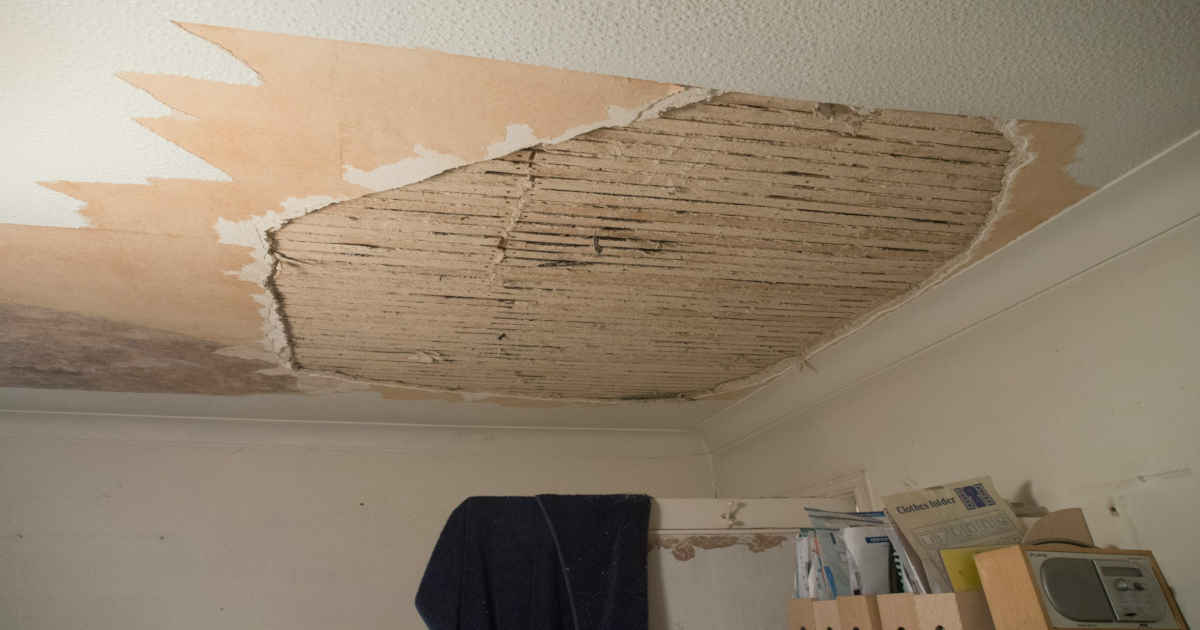
Dark spots, stains, or discoloration on walls, ceilings, or floors are common signs of water damage. These marks often appear near plumbing fixtures such as toilets, sinks, dishwashers, and washing machines. Because water can travel, it is also important to check ceilings beneath bathrooms or laundry areas for signs of leakage.
Damp or Moist Surfaces
Surfaces inside your home should not feel damp or moist under normal conditions. Check walls, especially near windows, basements, and plumbing fixtures, for any unusual moisture. If you notice dampness in areas where it should not be present, it is likely a sign of water intrusion or hidden leaks that need to be addressed.
Poor Drainage Around the Home
The exterior of your home can also reveal signs of potential water damage. Pay attention to how water flows around your property. The ground should slope away from your home to direct water outward. If water pools near the foundation or flows toward the house, it increases the risk of foundation damage, basement leaks, and long-term moisture problems that can weaken your home’s structure over time.
Clogged or Damaged Gutters
Gutters are essential for directing rainwater away from your home. If they become clogged or damaged, water can overflow and accumulate around the roof or foundation. Regular gutter cleaning and maintenance, ideally twice a year, can help prevent water intrusion, roof leaks, and expensive exterior damage.
Roof Damage or Missing Shingles
Your roof plays a critical role in keeping water out. Damage such as missing shingles, sagging areas, or holes can allow water to enter your home. Even small openings can lead to significant problems over time, so it is important to address roof problems promptly before leaks spread to walls, ceilings, and insulation.
Sounds of Dripping or Running Water
Hearing dripping or running water when no faucets or appliances are in use is a strong indication of a leak. In such cases, inspect visible pipes and fixtures. If the source is not immediately clear, it is important to have a professional inspection to prevent additional water damage, mold growth, and costly repairs.
Why Early Detection of Water Damage Is Important
Failing to address minor water issues can result in serious consequences, including structural deterioration and health concerns such as respiratory problems, asthma flare-ups, coughing, wheezing, and skin irritation. Regularly monitoring your home for these warning signs and acting quickly can help you avoid costly repairs and maintain a safe living environment for your family. Early water damage detection can also help preserve your home’s long-term value and prevent emergency restoration costs.
FAQs
What are the first signs of water damage in a home?
Some of the earliest signs of water damage include musty odors, peeling paint, dark stains, damp surfaces, warped flooring, and unusually high water bills.
Can water damage cause mold growth?
Yes, untreated moisture and leaks can create ideal conditions for mold and mildew growth, especially in hidden or poorly ventilated areas.
How can homeowners prevent water damage?
Regular inspections, proper drainage, gutter maintenance, roof repairs, and quickly fixing leaks can help homeowners reduce the risk of water damage.