Best Gutter Guard Systems by Climate: How to Choose the Right Gutter Protection
Posted by Steven Bieber on April 13, 2026
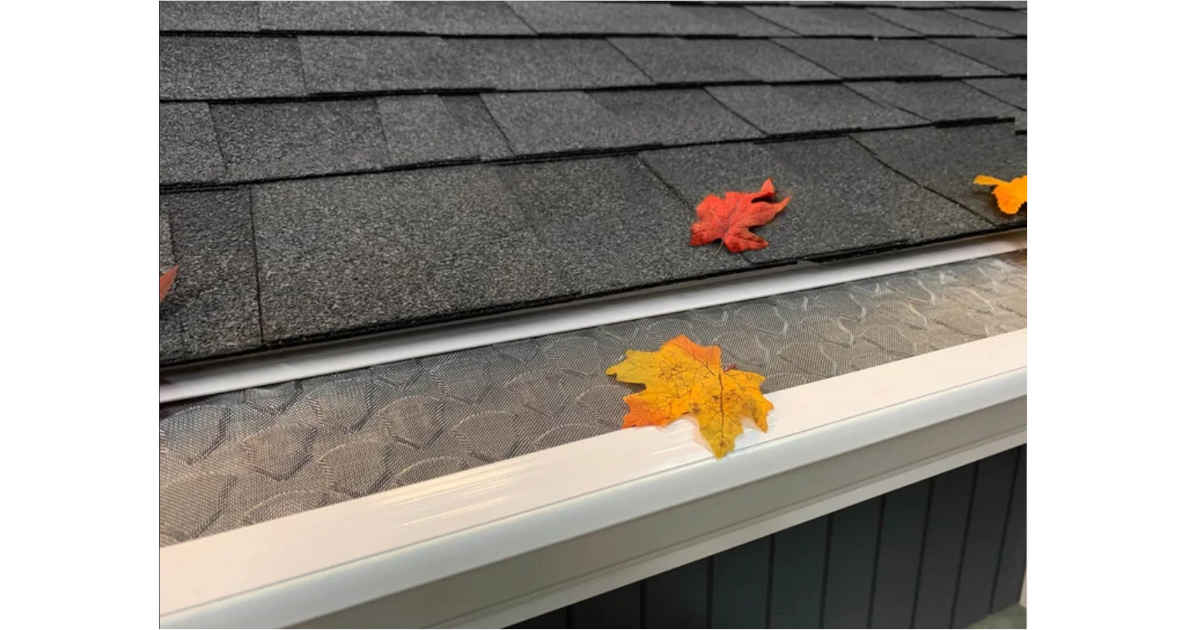
Gutters are essential for keeping water away from the base of your house. To keep your gutters in working condition, keep them clean and well-maintained. Cleaning your gutters can be a long and potentially dangerous process, which is why many homeowners choose to install gutter protection systems like gutter guards.
Depending on where you live, you and your home will face different climates. If you are looking to purchase gutter guards for your home, you need to be mindful of your climate. What works well in one area may not be the best option for another. This page discusses the best gutter guard systems for your climate and explains how to choose the right ones.
Types of Gutter Guards Explained (Pros and Cons)
Here are the main types of gutter guards, along with their pros and cons.
- Brush Gutter Guards: Cylindrical bristle brushes placed inside gutters that catch large debris while allowing water to flow through. They are easy to install but require frequent cleaning due to trapped small debris.
- Foam Gutter Guards: Porous polyurethane inserts that fit inside gutters, allowing water to pass through while debris stays on top. They are inexpensive and simple to install, but are prone to clogging and have a shorter lifespan.
- PVC Gutter Guards: Rigid plastic covers that block large debris and resist mildew. They are durable in various weather conditions, but can be more difficult to install and costly to replace if damaged.
- Perforated (Screen) Gutter Guards: Flat plastic or metal screens with larger holes that allow water through while blocking leaves and bigger debris. They are easy to install but less effective against small particles.
- Mesh Screen Gutter Guards: Metal or plastic guards with smaller holes than standard screens, designed to block finer debris. They are longer-lasting and more effective, but typically more expensive and harder to install.
- Micro-Mesh Gutter Guards: Fine stainless steel or aluminum mesh systems that filter out very small debris. They are highly durable and effective, but expensive and usually require professional installation.
- Surface Tension (Reverse Curve) Gutter Guards: Curved covers that guide rainwater into the gutter while shedding leaves over the edge. They are long-lasting and low-maintenance, but less effective at removing small debris and require professional installation.
Best Gutter Guards for Snowy and Cold Climates (Ice & Winter Protection)
If you live in an area with long, snowy winters and freezing temperatures, your gutters must withstand these conditions. Problems like ice dams and frozen gutters can cause damage to your home, leading to roof leaks, water damage, and structural issues. You need gutter guards for cold climates that help prevent ice buildup while maintaining proper water flow. Choosing the best gutter guards for snow and ice can significantly reduce the risk of winter-related damage.
Top Gutter Guard Options for Snow and Ice:
- Micro-Mesh Gutter Guards: Highly effective at blocking debris while allowing rainwater to pass through. They perform well in snowy regions because they do not retain standing water, reducing the risk of ice dams. The ultra-fine mesh also prevents small particles such as pine needles and leaves, which are common in colder areas.
- Reverse Curve Gutter Guards: Engineered to guide water into the gutter while deflecting debris away from the roof’s edge. The design supports steady water flow, even in freezing conditions, helping reduce ice buildup inside the gutter. They are effective at preventing larger debris from clogging the gutters, which can contribute to ice dams.
- Heated Gutter Guards: Some gutter guards have built-in heating systems. You can also purchase heating cables to add to your existing gutter guards. These systems keep gutters clear by melting snow and ice, lowering the chance of ice dams forming from frozen buildup.
Winter Maintenance Tip:
Clean your gutters before winter to remove debris and ensure they are properly pitched to ensure adequate water flow.
Best Gutter Guards for Windy, Dry, and Dusty Climates
In areas with frequent dust, dirt, and dry leaves, keeping your gutters clean can be challenging. You need gutter guards that keep out small debris and prevent buildup. You also need guards that can handle heavy downpours or windstorms without clogging.
Top Gutter Guard Options for Dry Climates:
- Micro-Mesh Gutter Guards: Ideal for dry climates, as they screen out extremely fine particles such as dust and sand. As mentioned earlier, they keep out small particles while still allowing water to pass through. They are ideal in areas prone to dust storms or frequent airborne debris.
- Reverse Curve Gutter Guards: The design sweeps dust and small debris from the roof edge while channeling rainwater into the gutter. They perform well in areas that experience occasional but heavy downpours. They maintain strong water flow while minimizing debris buildup.
- Solid (or “Closed”) Gutter Guards: These guards fully cover the gutter, with small openings that allow water to pass while blocking debris. In dry climates, they capture larger materials such as leaves and twigs and help manage dust accumulation. They may require more maintenance in areas with steady rainfall, since trapped debris can restrict water flow if not regularly cleaned.
Installation Tip:
Install downspout screens to prevent debris from entering the downspouts and maintain proper drainage.
Best Gutter Guards for Heavy Rain and Storm-Prone Areas
If you live somewhere with frequent heavy rain, such as the Pacific Northwest or parts of Florida, you need gutters that can handle the workload. Here are the best options.
Top Gutter Guard Options for Rainy Climates:
- Mesh Gutter Guards (Standard & Heavy-Duty): Ideal for areas with heavy rainfall, as they promote strong water flow while blocking debris. They also provide durability in regions prone to intense storms. This makes them effective for handling larger volumes of debris and reducing clogging.
- Foam Gutter Guards: These guards sit directly inside the gutter, allowing water to pass through the porous material while keeping debris out. They do not filter fine particles as well as micro-mesh systems, but they are suitable for areas with moderate rainfall and minimal small debris, such as pine needles.
- Screen Gutter Guards: Typically made of wire mesh, these guards are designed to block larger debris, such as leaves and twigs. They are particularly helpful in regions with heavy rainfall, where water needs to move quickly through the system. However, they are less effective at blocking smaller particles.
Rainfall Tip:
Consider installing larger downspouts to improve drainage, and ensure your gutters are appropriately sized to handle your area's average rainfall.
Best Gutter Guards for Hot, Humid, and Leafy Climates
Areas with high humidity and frequent rain often face mold, mildew, and organic debris such as moss, leaves, and seeds. Here are the gutter guards that balance debris prevention with mold- and mildew-resistance.
Top Gutter Guard Options for Humid Climates:
- Micro-Mesh Gutter Guards: The tightly woven design blocks leaves, seeds, and small particles from entering the gutters while still allowing rainwater to pass through. Some systems also have protective coatings that resist mold and mildew growth, which is beneficial in humid conditions.
- Screen Gutter Guards (with Anti-Microbial Coating): Basic screen guards may not be sufficient in humid environments unless they include an anti-microbial or anti-mold coating. These added protections reduce the buildup of mold and mildew. Screen guards are effective at keeping out larger debris while maintaining steady water flow.
- Reverse Curve Gutter Guards: These work well in leafy, moisture-rich climates. They guide rainwater into the gutter while directing leaves and twigs over the edge and down to the ground. This minimizes clogging and debris accumulation.
Humidity Maintenance Tip:
Use gutter filters with gutter guards to catch smaller particles that might slip through. Clean your gutters at least once a year, or more often if needed.
How to Choose the Best Gutter Guard for Your Climate
Before choosing a gutter guard, you need to understand the challenges your climate presents. No matter where you live, there is a gutter protection system designed for your climate that keeps your gutters clean and stands up to the elements. Choose a solution that keeps debris out of your gutters while still allowing proper water flow.
Investing in the best gutter guards for your climate can extend your gutters' lifespan, reduce maintenance, and protect your home year-round.