How to Identify and Repair Damaged Soffit and Fascia
Posted by Steven on March 30, 2026
Why Soffit and Fascia Matter for Your Home
Soffit and fascia are critical components of your home’s exterior that protect both the structure and the interior.
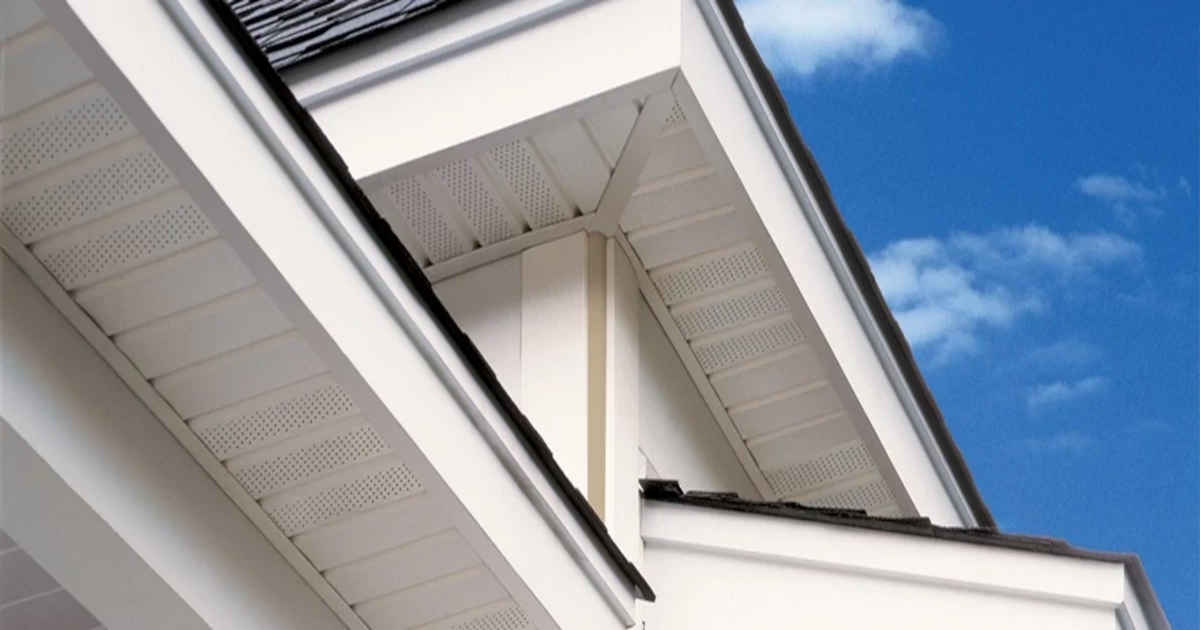
The fascia is the vertical board attached to the ends of the roof trusses or rafter tails. It is visible from street level and supports the gutter system. Fascia helps protect the roof and interior of your home by blocking water, pests, and debris from entering the space between the roof and exterior walls.
The soffit is positioned horizontally beneath the fascia. It can also be found on the undersides of porches, staircases, and arches. Its primary role is to ventilate the attic by allowing proper airflow, which helps prevent moisture buildup. Soffit also contributes to temperature regulation and overall energy efficiency.
Over time, soffit and fascia can show signs of wear and tear. Because of their importance, regular maintenance is essential. This guide will help you identify damaged soffit and fascia and determine whether repair or replacement is the best solution.
Signs You Need to Repair or Replace Soffit and Fascia
Here are the most common signs of soffit damage that you need to pay attention to:
Discoloration
Discoloration can indicate UV damage, dirt buildup, or prolonged moisture exposure. While a deep cleaning may resolve the issue, discoloration can also signal underlying damage. Investigate promptly to prevent further deterioration.
Excessive Wear and Tear
Cracking, peeling paint, or visible surface damage are clear indicators that soffit and fascia repair are needed. Ignoring these signs can lead to more serious structural problems.
Sagging
Sagging soffit or fascia often results from water damage, weakened fasteners, or structural stress. If left unaddressed, sagging can compromise your home’s exterior and lead to costly repairs.
Warping or Bending
Warped soffit or fascia boards typically result from prolonged moisture exposure or intense heat. Warping reduces effectiveness and is especially common with wood materials.
Insect Infestations
Damaged soffit and fascia can provide easy access points for insects and other pests. Signs of infestation should be addressed immediately to prevent further damage.
Mold and Mildew
Mold or mildew growth indicates excess moisture and poor ventilation. Left untreated, this can damage both the exterior and interior of your home and pose health risks to your family.
Water Leaks
Leaks in the soffit or fascia often point to a larger roofing or gutter issue. This is a serious problem that requires immediate investigation and repair.
Rotting Wood
Rot is common in wooden soffit and fascia. If rot is present, replacement is usually necessary to prevent further structural damage.
Rising Energy Bills
Properly functioning soffit and fascia help regulate airflow and energy efficiency. A sudden increase in energy costs may be a sign that these components are no longer performing effectively.
How to Repair Minor Soffit and Fascia Damage
If the damage is minor, repairs may be sufficient without replacing the entire board.
Small Cracks or Holes
If the damage is minor, repairs may be sufficient without replacing the entire board. Small cracks or holes can be addressed by first cleaning the area, then filling it with exterior-grade wood filler or epoxy. Once the filler has dried, sand the surface until it is smooth and finish by sealing it with paint or primer.
Minor Rot
For minor rot, it is important to remove all affected wood before treating the area with a wood preservative. After treatment, the damaged section can be patched using wood filler or a matching piece of wood to restore its appearance and strength.
Prevent Water Damage
Preventing water damage is also essential for maintaining fascia boards. Keeping gutters clean and properly draining helps avoid overflow, which is one of the leading causes of fascia decay.
Loose Boards
If boards become loose, they should be re-secured using galvanized nails or screws. This helps keep them firmly in place while also preventing corrosion over time.
When to Replace Soffit and Fascia
Replacement is necessary in the following situations:
Widespread Rot
If large sections are soft, crumbling, or unable to support gutters, replacement is required. This is often caused by leaking gutters.
Severe Sagging
This may indicate compromised rafter tails, making immediate replacement critical. This is also a sign of rot that is caused by leaking gutters.
Extensive Pest Damage
Significant holes or structural damage caused by pests cannot be reliably repaired and allow water intrusion. Some examples of pests include rodents, birds, and bees.
Old or Failing Materials
If the soffit or fascia is 20-30 years old, heavily weathered, or unable to hold paint, replacement is often the best option. This is a sign that the wood is likely damp and rotting. If mold, mildew, or rot is found behind the fascia board, replacement is necessary to address the root problem.
Conclusion: Protect Your Home With Proper Soffit and Fascia Maintenance
Soffit and fascia play a vital role in protecting your home and maintaining proper ventilation. Regular inspections can help catch problems early. Warning signs such as discoloration, sagging, warping, or rot should be addressed promptly to avoid further damage. Minor issues can often be repaired, but extensive damage, severe sagging, or widespread rot typically require full replacement to protect your home long-term.