Common Roofing Mistakes Homeowners Make and How to Avoid Costly Repairs
Posted by Steven Bieber on March 23, 2026
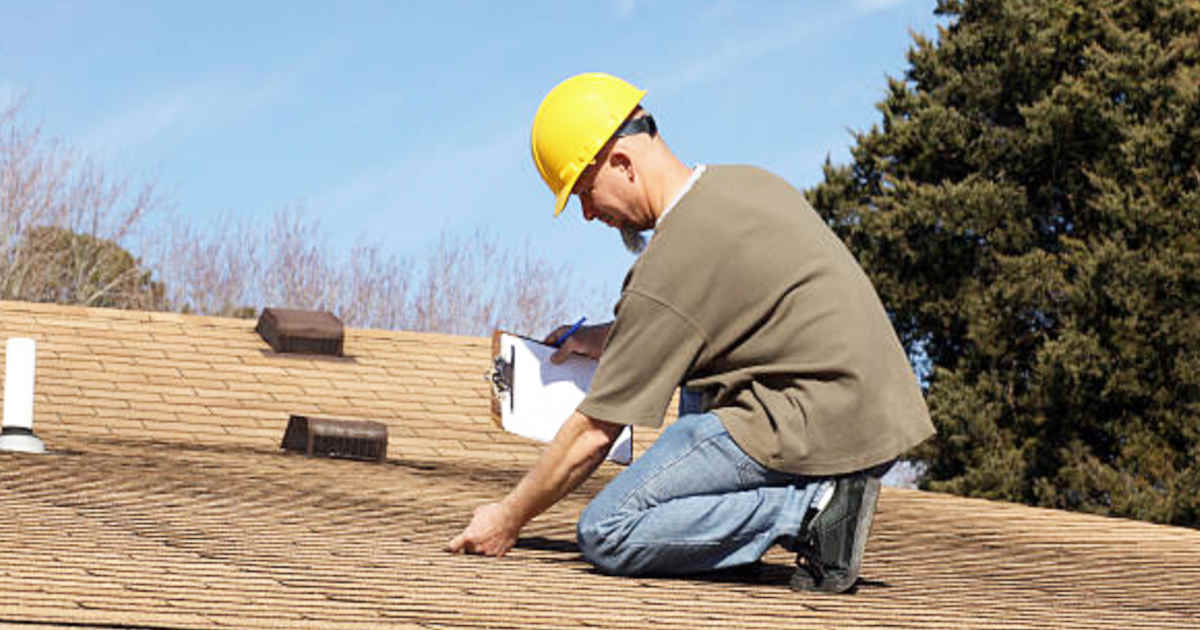
Your roof is one of the most important components of your home. It protects your family and belongings from harsh winter snow, heavy rain, and severe summer storms. While most homeowners understand the importance of maintaining their roof, many still make common mistakes that can lead to leaks, reduced lifespan, and expensive repairs.
Below are the most common roofing mistakes homeowners make and how to avoid or fix them before they become major problems.
1. Poor Roof Ventilation
Proper roof ventilation is essential for the long-term health of your roofing system. Inadequate attic ventilation can cause excessive heat buildup during the summer and moisture accumulation during the winter. Both issues can significantly shorten the lifespan of your roof.
During colder months, poor ventilation can lead to ice dams along the roof’s edge. These prevent melting snow from draining properly, forcing water underneath shingles and causing leaks and water damage. In the summer, trapped heat can cause shingles to age prematurely and wear out faster.
How to avoid it:
Install soffit and ridge vents to promote proper airflow. In some cases, gable vents may also help. Maintaining balanced attic temperatures can greatly extend the life of your roof.
2. Skipping Regular Roof Inspections
An easy roofing mistake is skipping inspections. Regular roof inspections are one of the best ways to catch small problems before they turn into costly disasters. When inspections are neglected, minor leaks can go unnoticed, leading to water damage, mold growth, and even structural issues.
How often should you inspect your roof?
At a minimum, schedule a professional inspection once a year. Ideally, have inspections done twice a year in the spring and fall to identify seasonal damage. You should also schedule an inspection after severe weather events such as high winds, hail, or heavy snowfall. Always work with a qualified roofing contractor.
3. Using Low-Quality Roofing Materials
It's understandable to want to save money, but choosing low-quality roofing materials often costs more in the long run. Cheap shingles and underlayment are more prone to cracking, warping, and premature failure.
While the upfront cost may be lower, these materials often lead to frequent repairs or early roof replacement expenses that could have been avoided with higher-quality products.
Bottom line:
Investing in durable, high-quality roofing materials helps ensure long-term performance and fewer repairs.
4. Attempting DIY Roofing Repairs
DIY projects can be a great way to save money, but roofing repairs are rarely a good candidate. Without proper training and experience, homeowners risk misdiagnosing issues, using the wrong materials, or making improper repairs that worsen the problem.
Additionally, roofing work is dangerous. Without proper safety knowledge and equipment, there is a serious risk of injury. If you do work on a rooftop, you should familiarize yourself with fall protection guidelines from OSHA.
Best practice:
Leave roofing repairs and installations to licensed professionals who have the tools and expertise to do the job safely and correctly.
5. Overlooking Roof Flashing
Flashing is designed to protect vulnerable areas where the roof meets walls, chimneys, skylights, and vents. Because it's often out of sight, flashing is frequently overlooked, yet it's one of the most common sources of roof leaks.
Over time, flashing can loosen, corrode, or shift due to weather exposure.
What to do:
Ensure flashing is inspected regularly and repaired or replaced as needed to prevent water intrusion.
6. Neglecting Gutter Maintenance
Gutters play a crucial role in directing water away from your roof and foundation. When gutters become clogged with leaves, dirt, or debris, water can back up onto the roof and cause rot, mold, and structural damage.
In winter, clogged gutters contribute to icicles and ice dams, increasing the risk of leaks.
How to avoid problems:
Clean gutters regularly, especially after heavy leaf fall and storms. Consider installing gutter guards to reduce debris buildup, and replace gutters that are old, damaged, or sagging.
7. Ignoring Energy Efficiency When Choosing a Roof
Many homeowners overlook energy efficiency when selecting roofing materials. Climate matters. The amount of sunlight, heat, and severe weather your area experiences should influence your roofing choice.
Smart roofing choices:
Select shingles designed to withstand local weather conditions and reflect sunlight. Energy-efficient roofing materials can help keep your home cooler, reduce HVAC usage, and lower energy bills over time.
8. Delaying Necessary Roof Replacement
Roof replacement can be inconvenient and expensive, so it's natural to put it off. However, delaying a necessary replacement often leads to more severe and costly damage, including leaks, mold, and interior structural issues.
Warning signs to watch for:
- Sagging areas
- Curling or missing shingles
- Excessive granule loss
If you notice these signs, it’s time to consult a professional.
Conclusion: Avoid Costly Roofing Mistakes with Preventive Care
Trying to save money with short-term decisions often results in higher repair costs down the road. Unless you are a trained professional, rely on experienced roofing contractors for inspections, repairs, and replacements.
Ensure your roof has proper ventilation, keep gutters clean and functional, and address issues as soon as they arise. By avoiding these common roofing mistakes, you can extend the lifespan of your roof and protect your home for years to come.